Training course on the Chemical Weapons Convention for States Parties in the Asia region
Unofficial translation from the Vietnamese original.
As the international community continues to step up efforts on the non-proliferation and disarmament of weapons of mass destruction, strengthening national capacity to implement the Chemical Weapons Convention (CWC) is becoming increasingly important. In view of the rapid development of science, technology and the chemical industry, enhancing the exchange of experience, sharing practices and building capacity to implement the CWC among States Parties helps to strengthen national mechanisms and promote international cooperation in this field.
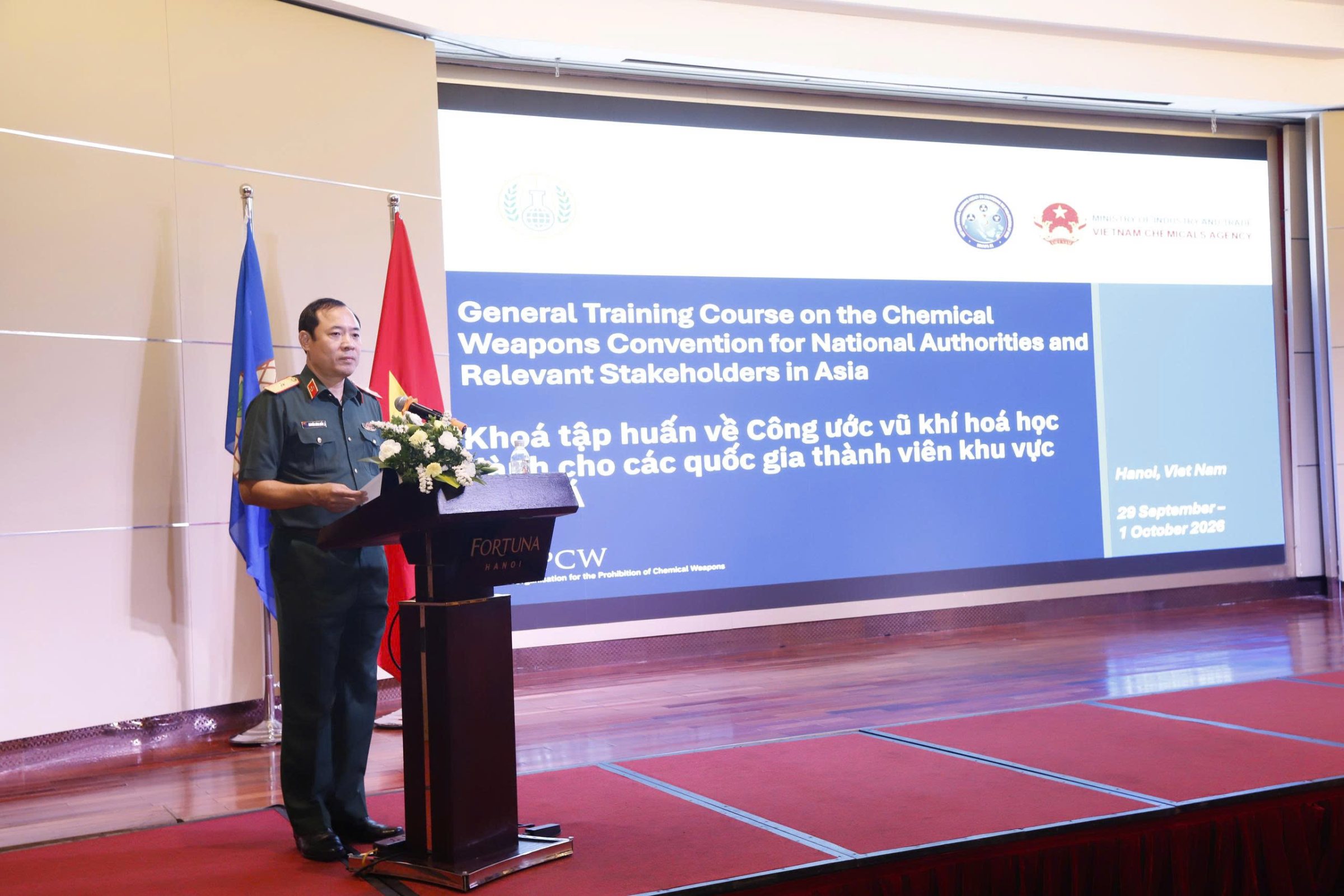
Major General Nguyen Dinh Hien, Commander of the Chemical Corps, Head of Standing Office 81, delivers the opening remarks at the training course.
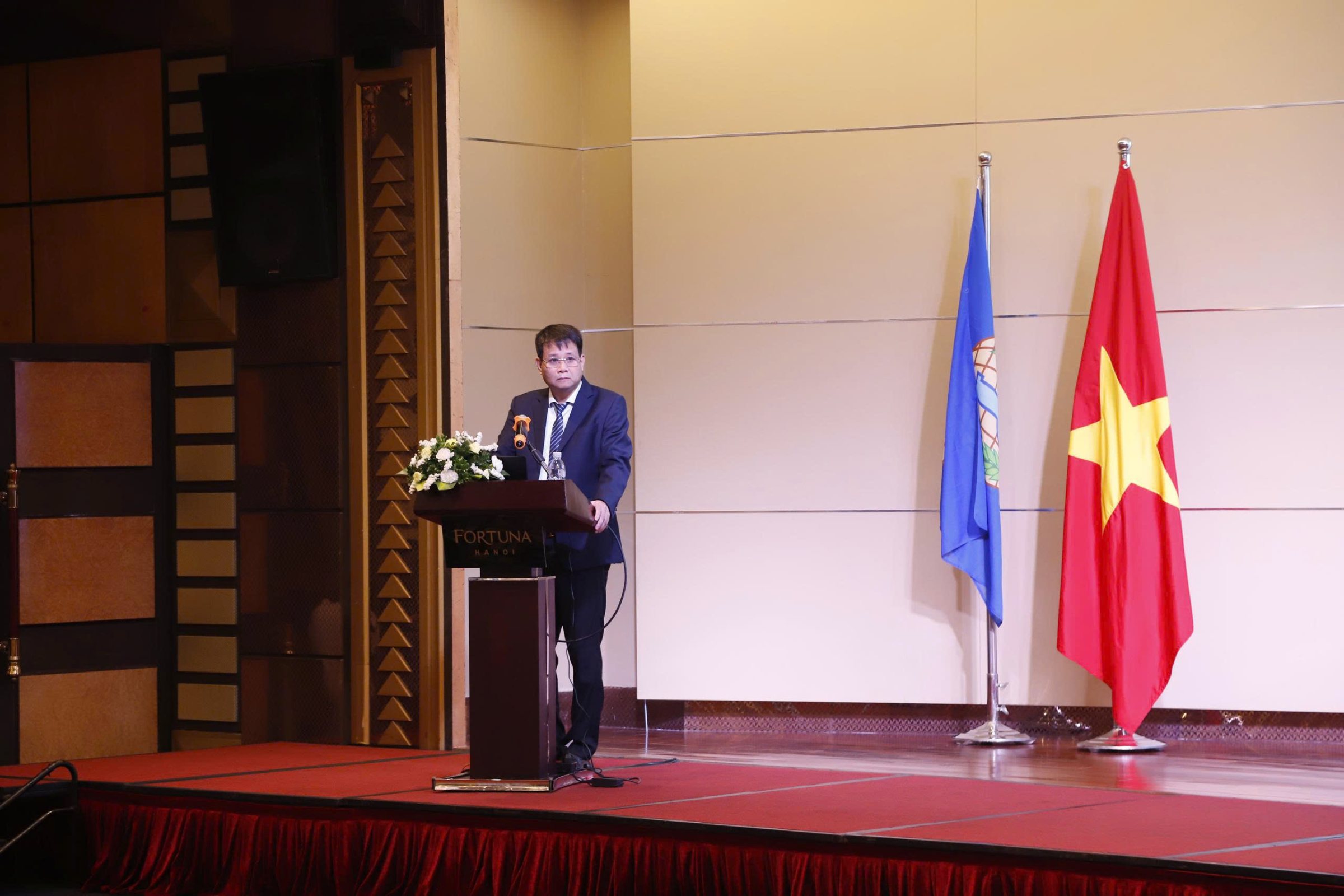
Mr Phung Manh Ngoc, Director General of the Vietnam Chemicals Agency, Ministry of Industry and Trade - the National Authority for the Chemical Weapons Convention in Vietnam
From 29 September to 1 October 2026, in Hanoi, the Chemical Corps - Standing Office of the National Focal Point of Vietnam for countering the proliferation of weapons of mass destruction (Standing Office 81), in cooperation with the Organisation for the Prohibition of Chemical Weapons (OPCW) and the Vietnam Chemicals Agency, Ministry of Industry and Trade - the National Authority for the Chemical Weapons Convention (CWC) in Vietnam, organised a training course on the Chemical Weapons Convention (CWC) for States Parties in the Asia region.
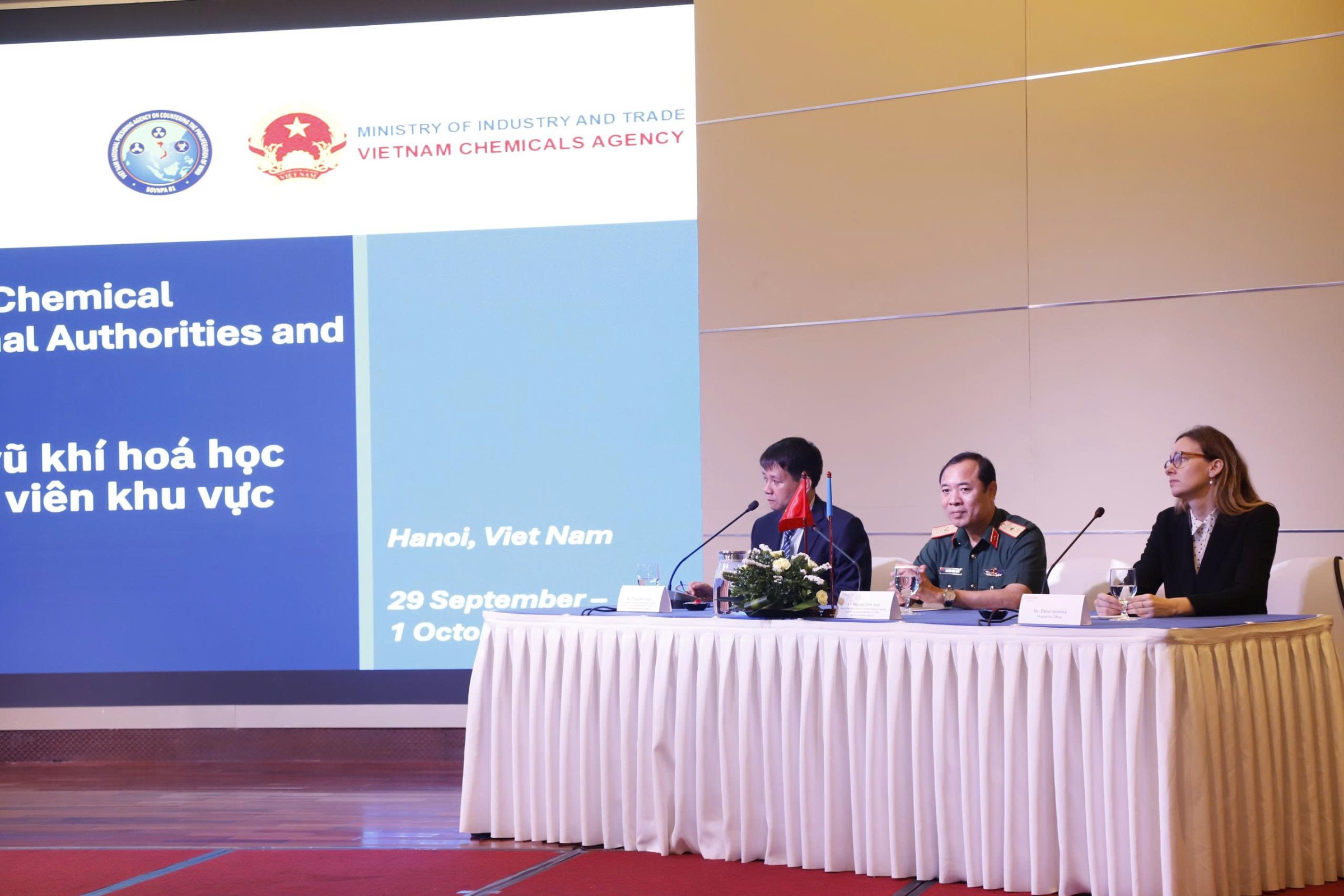
Delegates chairing the training course on the Chemical Weapons Convention for States Parties in the Asia region
The training course focused on basic and practical issues in implementing the CWC, including the history and main provisions of the Convention; the role and functions of the OPCW and the National Authority; declarations, verification, inspection, and international cooperation and assistance. In addition to technical content, the programme included time for exchanges, discussions and group exercises. Delegates exchanged views on preparing declarations, conducting verification and inspections under the Convention, and developing national action plans. This format was intended to enable delegates not only to gain knowledge from OPCW experts but also to share experience, approaches and practical issues in implementing the Convention in their respective countries.
During the training course, delegates from the Chemical Corps representing Vietnam presented the mechanism for implementing the CWC and countering the proliferation of weapons of mass destruction in Vietnam; the roles of the Chemical Corps, the Ministry of National Defence and the Vietnam Chemicals Agency, Ministry of Industry and Trade; and the coordination mechanism among the relevant agencies. Vietnam also shared new developments in improving its legal framework, including the Law on Countering the Proliferation of Weapons of Mass Destruction No. 13/2026/QH16, adopted by the National Assembly in August 2026 and taking effect on 1 July 2027.
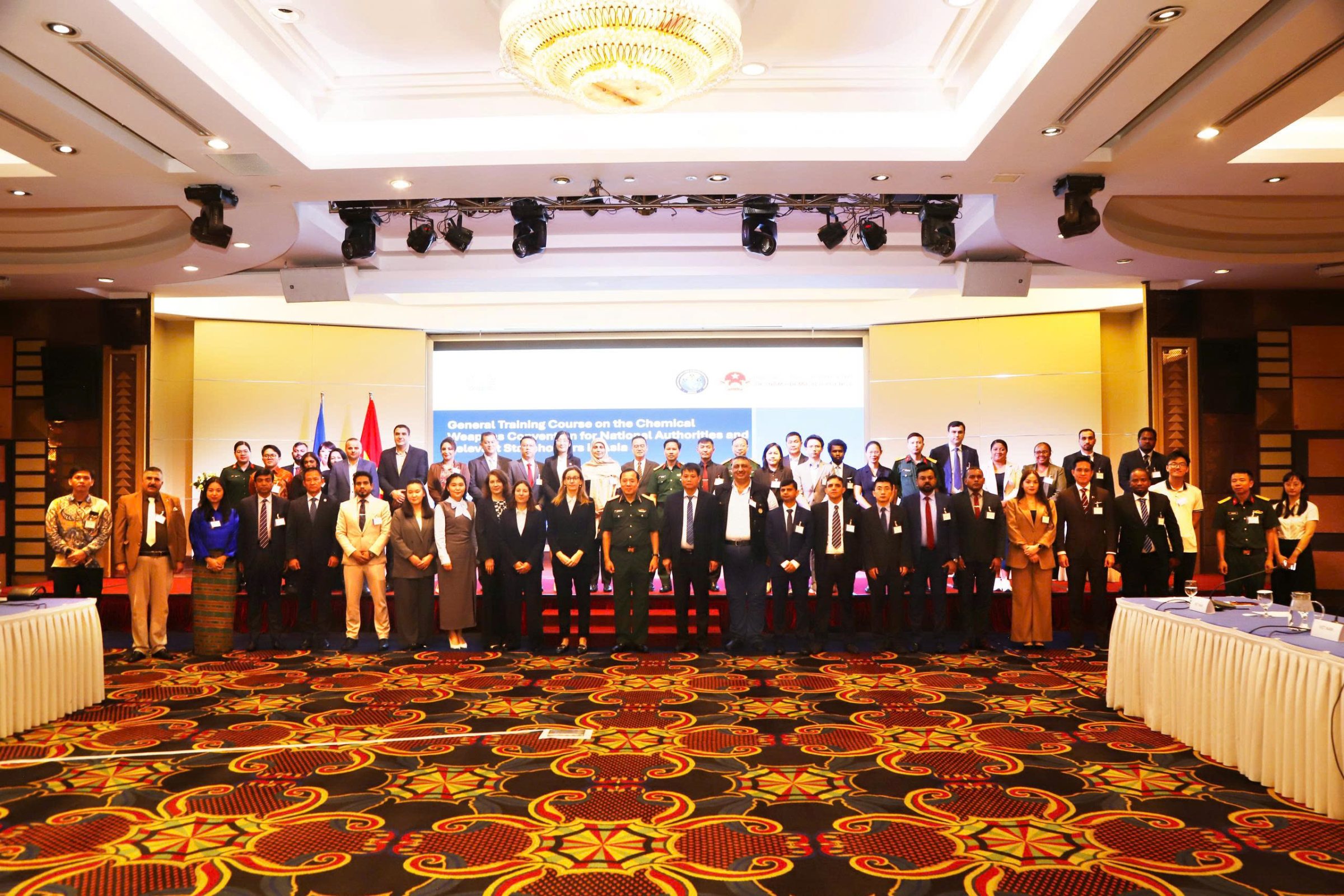
Delegates attending the training course pose for a commemorative photo
With the participation of around 30 States Parties from the Asia region, together with OPCW experts and representatives of Vietnamese agencies, the training course helped to strengthen professional exchanges, build capacity to implement the CWC and promote regional cooperation. Hosting the programme also demonstrated Vietnam's support for the objectives of the CWC, while helping to promote the use of chemicals for peaceful purposes, enhance chemical safety and security, and prevent the risk of misuse of dual-use chemicals, equipment and technologies.