Biological weapons that worry the US Government
Unofficial translation from the Vietnamese original.
1. Hantavirus
Priority of the US Centers for Disease Control and Prevention (CDC): third-highest priority
Fatality rate if untreated: 38%

Hantaviruses are a group of viruses that can lead to respiratory and cardiovascular failure. Symptoms of the virus usually include fatigue, fever, shortness of breath, coughing and muscle aches, and after 4–10 days the lungs can fill with fluid.
Although hantavirus is usually spread by rodents such as certain species of mice and rats in the United States, the CDC has acknowledged the possibility of weaponising hantavirus for use against the United States. An estimated 3,000 US and Korean soldiers were infected with hantavirus during the Korean War, but there is no evidence that the infections were the result of a deliberate attack.
2. Nipah virus
CDC priority: third-highest priority
Fatality rate if untreated: 40%–70%
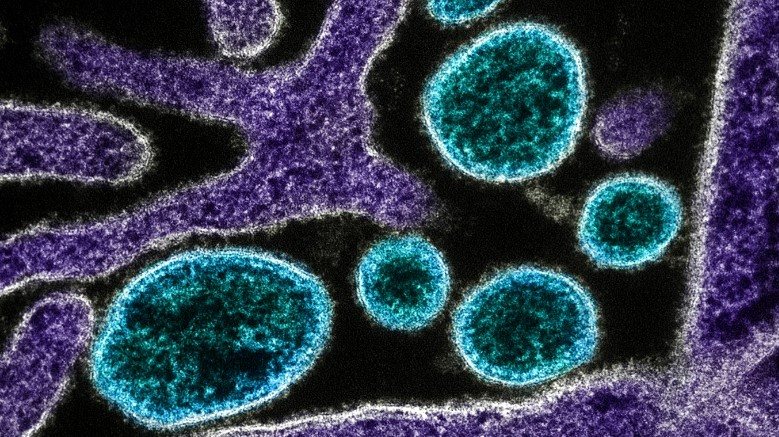
Nipah virus can spread between animals, such as fruit bats and pigs, and humans. Symptoms can appear anywhere from four days to two weeks after infection. Early signs include drowsiness, headache, cough, sore throat and difficulty breathing. Later-stage symptoms can include swelling of the brain, leading to coma within as little as two days.
Treatment of the virus is currently limited to rest and hydration to relieve symptoms. The virus is often fatal, and the only known outbreaks have been in Asia, first in Malaysia and Singapore and later in Bangladesh and India. The CDC has identified Nipah as a potential agent for biological weapons development.
3. Cryptosporidium parvum
CDC priority: second-highest priority
Fatality rate if untreated: low
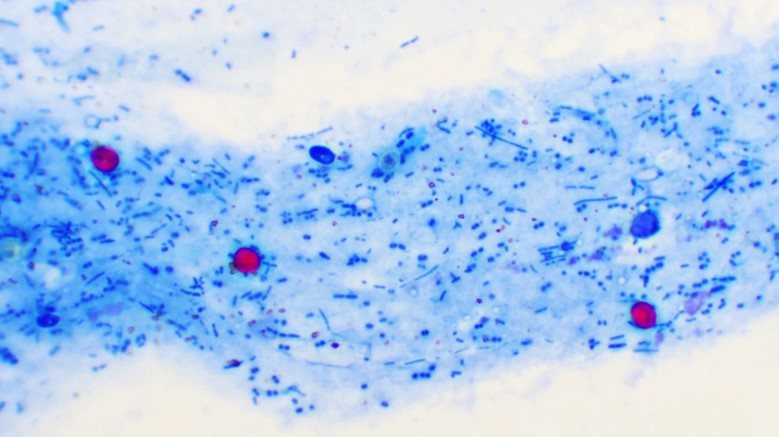
Cryptosporidium, also known as Crypto, is a microscopic parasite that can cause disease in humans. The parasite has been identified by the CDC as a potential bioterrorism weapon. Protected by an outer shell, the parasite is resistant to chlorine-treated water and is the most common cause of waterborne disease in the United States. Infection can occur after swallowing contaminated water or eating undercooked, contaminated food. Symptoms of Crypto can come and go for up to a month and usually include diarrhoea, stomach cramps, vomiting and dehydration. For people with weakened immune systems, the disease can be fatal.
4. Typhus fever (Rickettsia prowazekii)
CDC priority: second-highest priority
Fatality rate if untreated: low
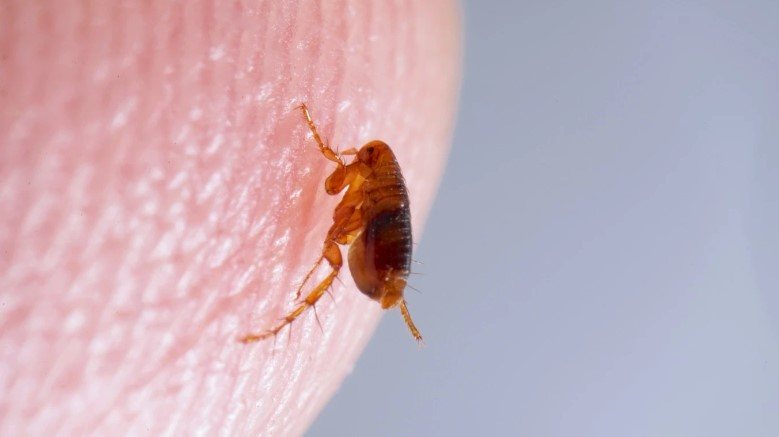
Typhus fevers are a group of diseases that can be transmitted to humans by bacteria from fleas, lice and chiggers. Symptoms usually occur 10 days to two weeks after infection and can include fever, chills, rapid breathing, body aches, muscle pain, rash and vomiting. Some forms of typhus can be treated with antibiotics, while others usually require no treatment. However, severe forms of the disease can develop and lead to organ damage, hypothyroidism and death.
5. T-2 mycotoxin
CDC priority: not yet updated.
Human fatality rate if untreated: moderate
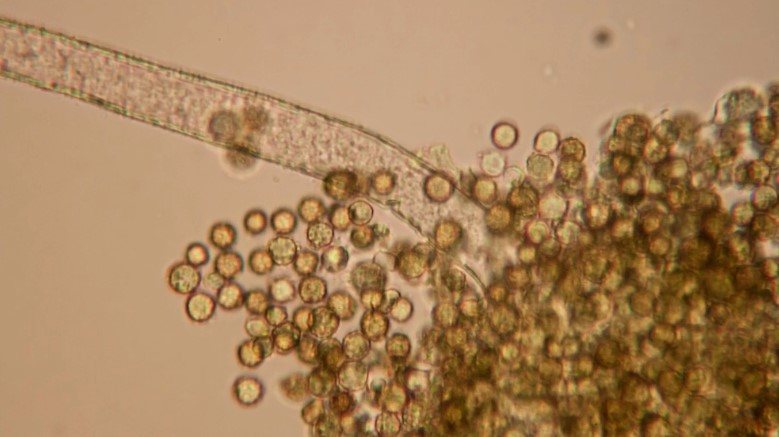
T-2 mycotoxin is a fungal toxin that is poisonous to humans, especially when inhaled. The toxins can occur naturally or be produced in a laboratory and can lead to skin pain, intense itching, peeling skin, coughing up blood, wheezing and chest pain. Severe poisoning leads to weakness, collapse, shock and death.
T-2 was used in South-East Asia between 1975 and 1984, when cubic metres of toxin-laden aerosols were released from aircraft, killing an estimated 6,500 people in Laos alone.
Source: https://247wallst.com/special-report/2022/09/08/the-government-is-worried-about-these-biological-weapons/2/
Centre 81 - Huy Hiep