Workshops on the implementation of the Biological Weapons Convention (BWC)
Unofficial translation from the Vietnamese original.
Building on the results achieved in 2023, workshops on the implementation of the Biological Weapons Convention (BWC) took place on 12, 13 and 14 August 2024. The two workshops – the "Workshop on Practical Response to Biological Weapons-Related Scenarios" and the "National Workshop on Confidence-Building Measures for the Implementation of the Biological Weapons Convention" – were organised by the Chemical Corps – Standing Office of Vietnam's National Focal Point for countering the proliferation of weapons of mass destruction (Standing Office 81) – in cooperation with the Ministry of Health and the Export Control and Related Border Security Program of the US Department of State (EXBS Program).
On 12 August 2024, the Workshop on Practical Response to Biological Weapons-Related Scenarios took place in Hanoi. The workshop aimed to strengthen capacity to identify threats and assess risks related to biological weapons proliferation through import and export activities, and to practise readiness to respond to biological weapons proliferation scenarios through tabletop exercises. The workshop was attended by delegates from the Ministry of Health, representatives of a number of Vietnamese enterprises engaged in the import and export of medical equipment, officers of Standing Office 81 and experts from the EXBS Program.
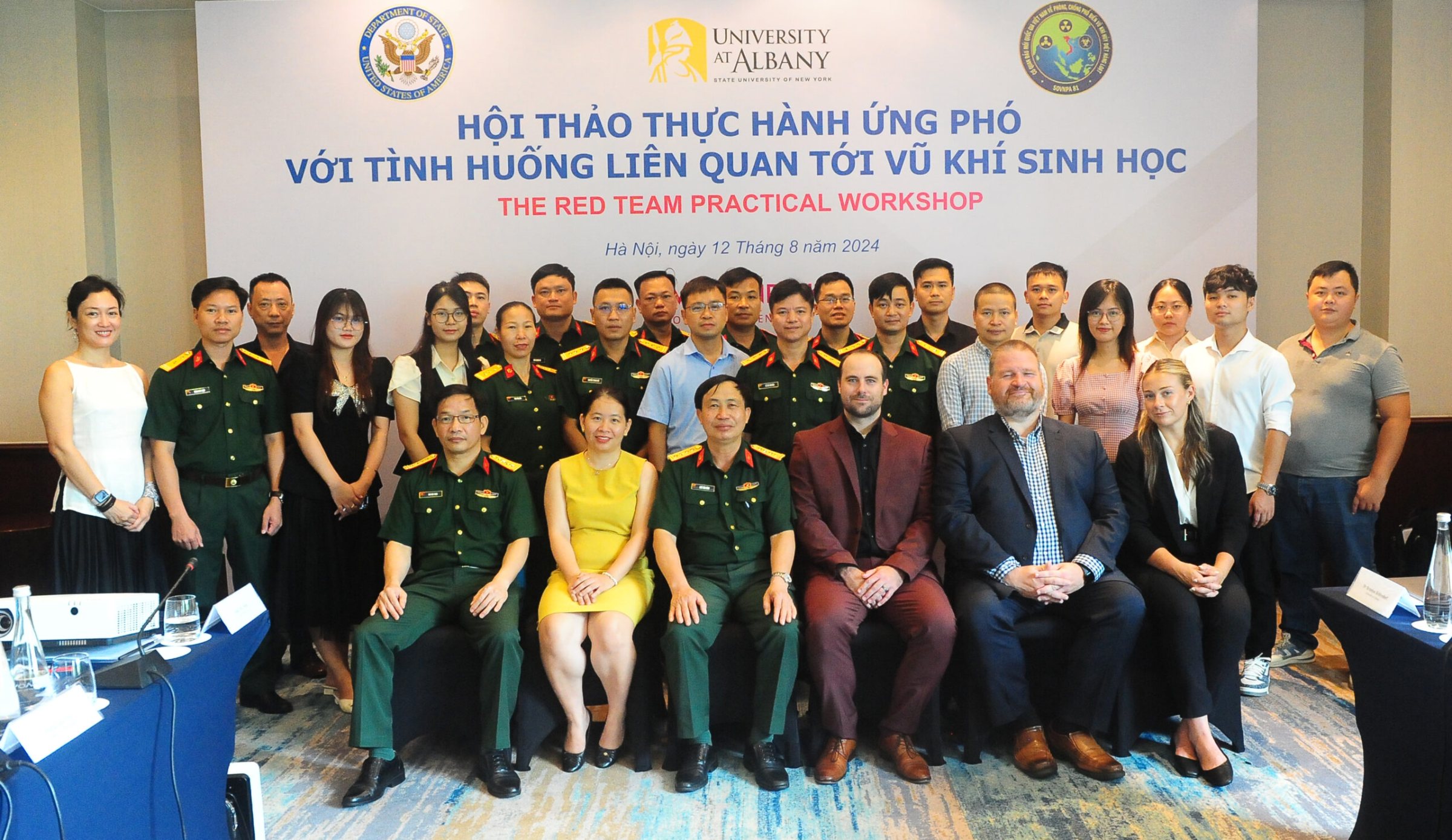
Figure 1: Workshop participants pose for a group photo
At the workshop, the experts shared preventive measures and concerns about biological weapons proliferation through import and export activities. The presentations helped participants better understand the role of customs controls and the associated risks, and practise responding to biological weapons proliferation scenarios through tabletop exercises.
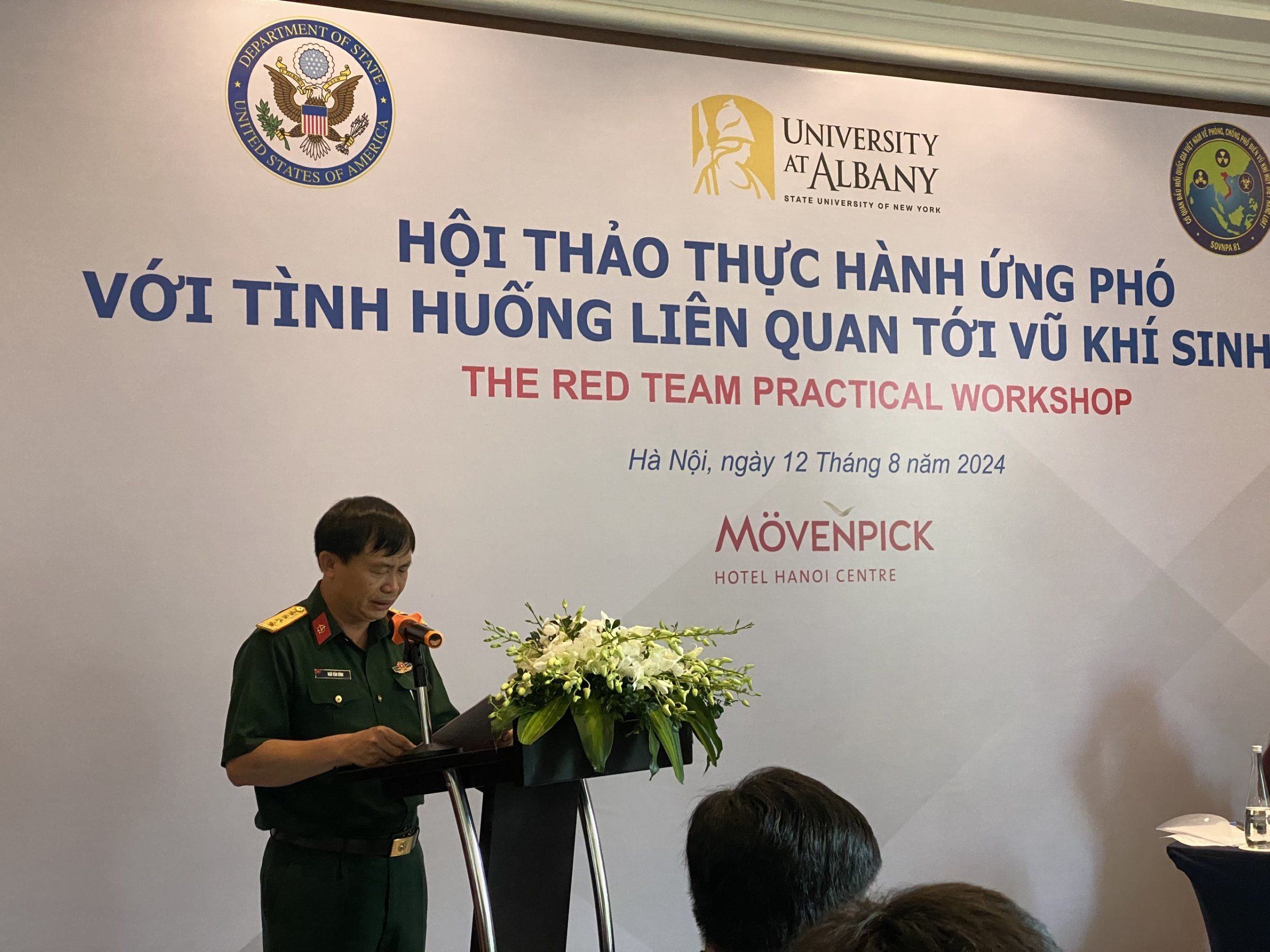
Figure 2: Senior Colonel Ngo Van Dinh, Deputy Chief of Staff of the Chemical Corps, delivers the opening remarks at the workshop
With concise presentations and diverse, practical examples, the content was conveyed in a practical way and is of real value for application in the operations of enterprises engaged in the import and export of medical equipment and in the work of the specialist personnel of the Chemical Corps – Standing Office 81.
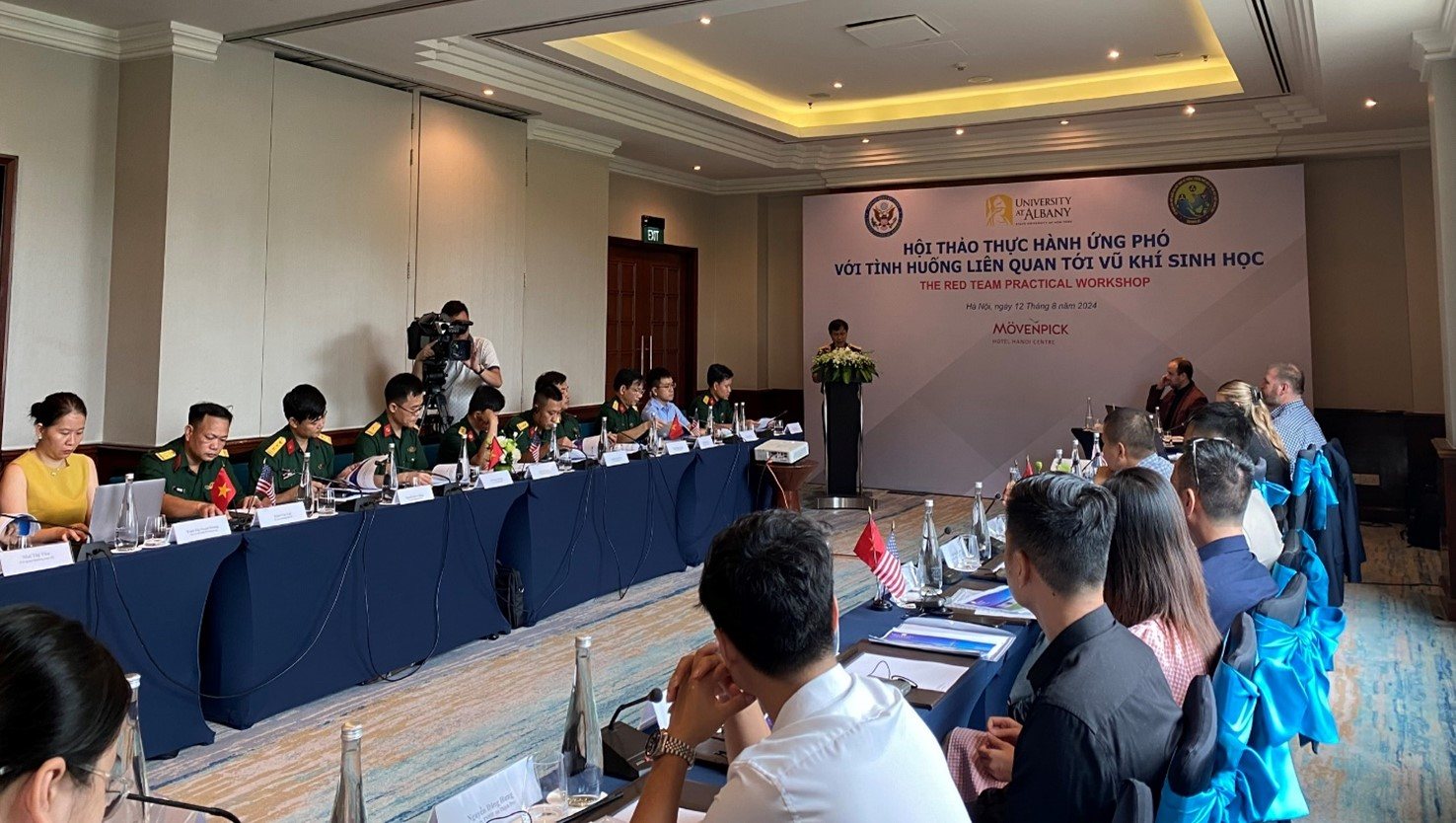
Figure 3: The Workshop on Practical Response to Biological Weapons-Related Scenarios in session
On 13 and 14 August 2024, the National Workshop on Confidence-Building Measures for the Implementation of the Biological Weapons Convention (BWC) took place in Ha Long, Quang Ninh. It was attended by delegates from the Ministry of Health, the Ministry of Industry and Trade, the Ministry of Finance, the Ministry of Agriculture and Rural Development, the Ministry of Science and Technology and the Ministry of Foreign Affairs, officers of Standing Office 81 and experts from the EXBS Program.
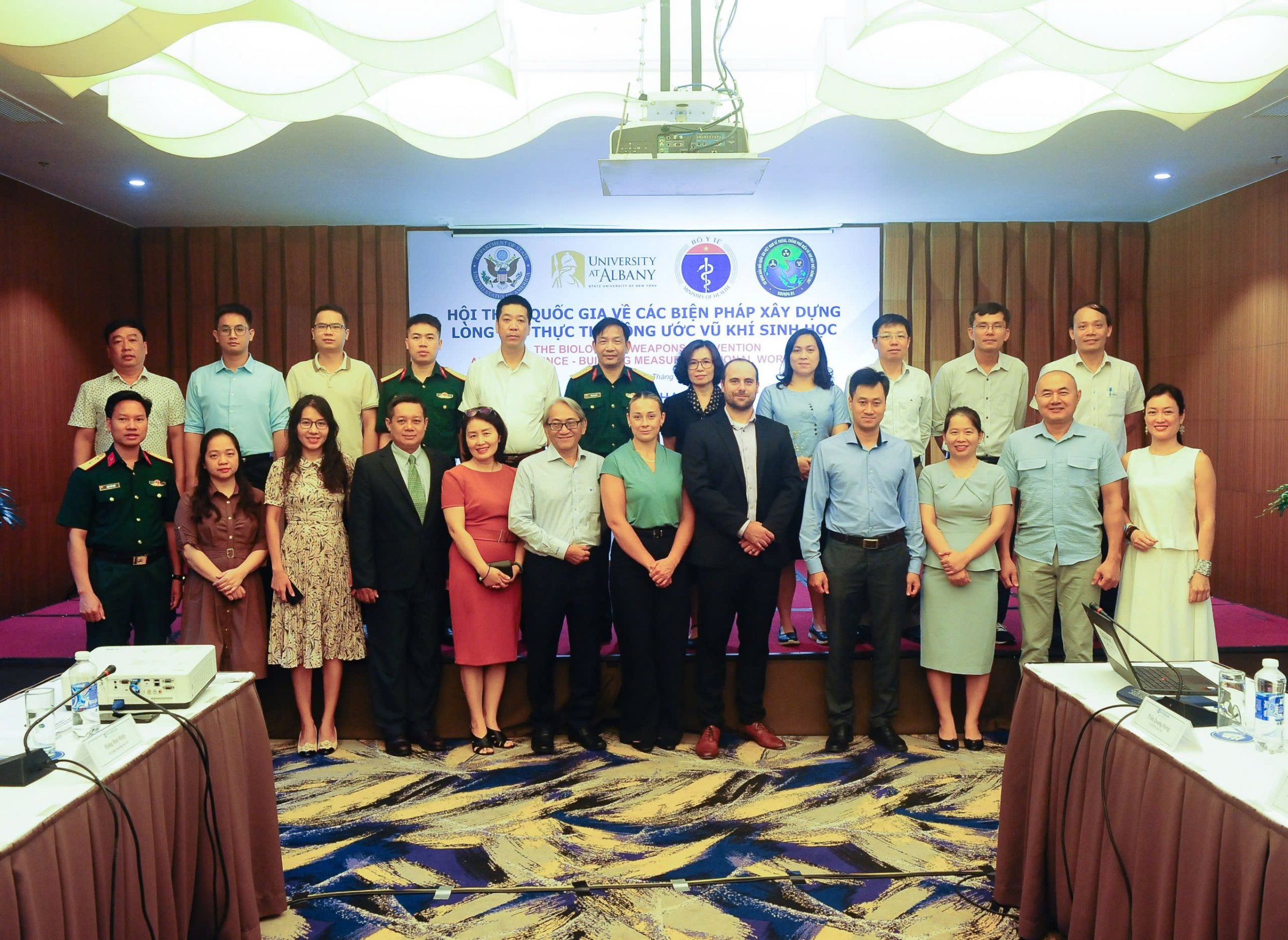
Figure 4: Workshop participants pose for a group photo
The workshop aimed to enhance coordination and cooperation among the competent authorities involved in implementing the BWC, and to discuss and review the preparation of the national confidence-building measures report on the implementation of the Biological Weapons Convention.
At the workshop, experts from the EXBS Program and the Ministry of Health shared the results and progress of BWC implementation in Vietnam; provided guidance on completing the Confidence-Building Measures report; discussed experience from the activities of government agencies, ministries and sectors; and presented a plan for developing a national approach to preparing and submitting Confidence-Building Measures reports.
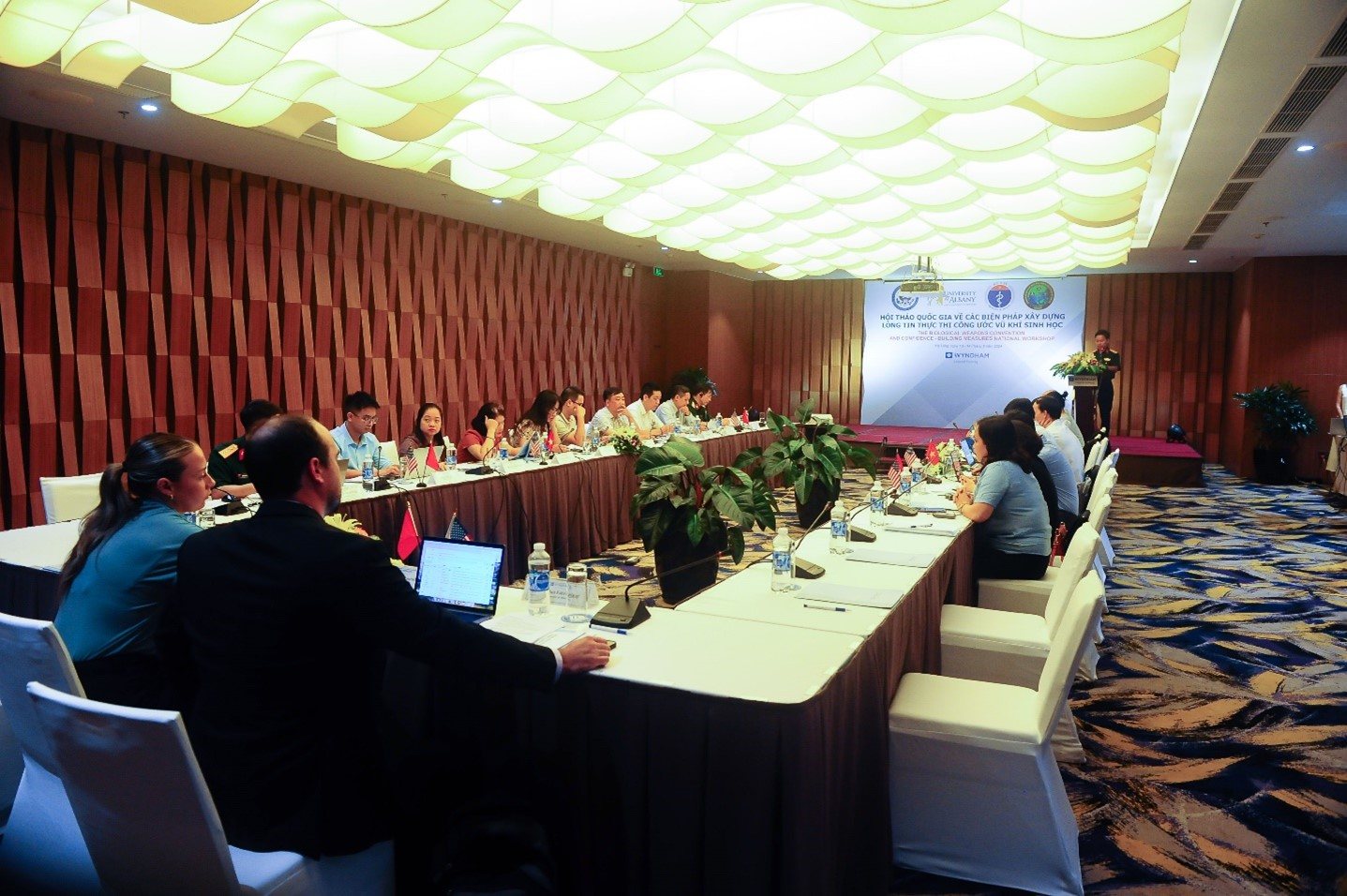
Figure 5: The National Workshop on Confidence-Building Measures for the Implementation of the Biological Weapons Convention in session
Since 2007, pursuant to the direction of the Prime Minister, the Ministry of Health has been designated as the national focal point for implementing the BWC; however, many difficulties in implementation remain. The workshop was therefore of great importance in enabling officials of the Ministry of Health and the relevant ministries and sectors to become familiar with and prepare reports, programmes and action plans for the coming period.
The BWC entered into force on 26 March 1975 and was the first multilateral disarmament treaty banning the production of an entire category of weapons of mass destruction (WMD). The Convention currently has 185 States Parties. The BWC has no international verification regime, and no organisation has been established to support its implementation (instead, there is an Implementation Support Unit within the United Nations Office for Disarmament Affairs, BWC ISU/UNODA). Each year, by 15 April, States Parties complete their Confidence-Building Measures (CBM) reports and submit them to the BWC ISU. CBM reports are the only formal instrument of the BWC for promoting transparency and building confidence among States Parties. Submitting CBM reports is not mandatory, but it demonstrates Vietnam's responsibility and international commitment to prohibiting the production, development, acquisition, transfer, stockpiling and use of biological weapons in particular and weapons of mass destruction in general.
Since acceding to the BWC on 20 June 1980, Vietnam has never submitted a CBM report (in 2023 alone, 102 countries and territories submitted CBM declarations). Therefore, through the workshop, the Vietnamese experts agreed that Vietnam's first CBM report needs to be completed promptly and proactively.
The content presented at the workshops helped raise the awareness and implementation capacity of delegates from ministries, sectors and enterprises in joining efforts to counter the proliferation of biological weapons in particular and weapons of mass destruction in general. Through the workshops, the Chemical Corps – Standing Office 81 also demonstrated its important coordinating role in organising and implementing specific activities to counter the proliferation of weapons of mass destruction in Vietnam.
Thanh Tung – Standing Office 81