Workshop on the Decree detailing the implementation of Vietnam’s Law on counter-proliferation of weapons of mass destruction and Strategic Trade Controls
Unofficial translation from the Vietnamese original.
From Nov 4-6, 2026, the Workshop on the Decree detailing the implementation of Vietnam’s Law on counter-proliferation of weapons of mass destruction and Strategic Trade Controls was held in Seoul, Republic of Korea. The workshop aimed to exchange international experience, review the legal framework, and explore solutions to enhance the effectiveness of strategic trade controls (STC), thereby contributing to prevent and counter on proliferation of weapons of mass destruction.
The workshop was held against the of expanding international trade, technology transfers, and global supply chains, which have placed new demands on the management and control of goods, materials, equipment, and technologies with potential civilian and military applications. In particular, the risk of dual-use goods and technologies being exploited for the research, development, and production of weapons of mass destruction highlights the need for countries to further strengthen their legal frameworks, enhance interagency coordination, and build risk-based control capabilities.
For Vietnam, the enactment of the Law on counter-proliferation of weapons of mass destruction and the issuance of Decree No. 259/2025/ND-CP on strategic trade control have established an important legal foundation for strengthening state management in this area. Nevertheless, further efforts are required to operationalize the legal provisions, ensure consistency across regulatory mechanisms, and enhance coordination among relevant authorities to improve the effectiveness of implementation.
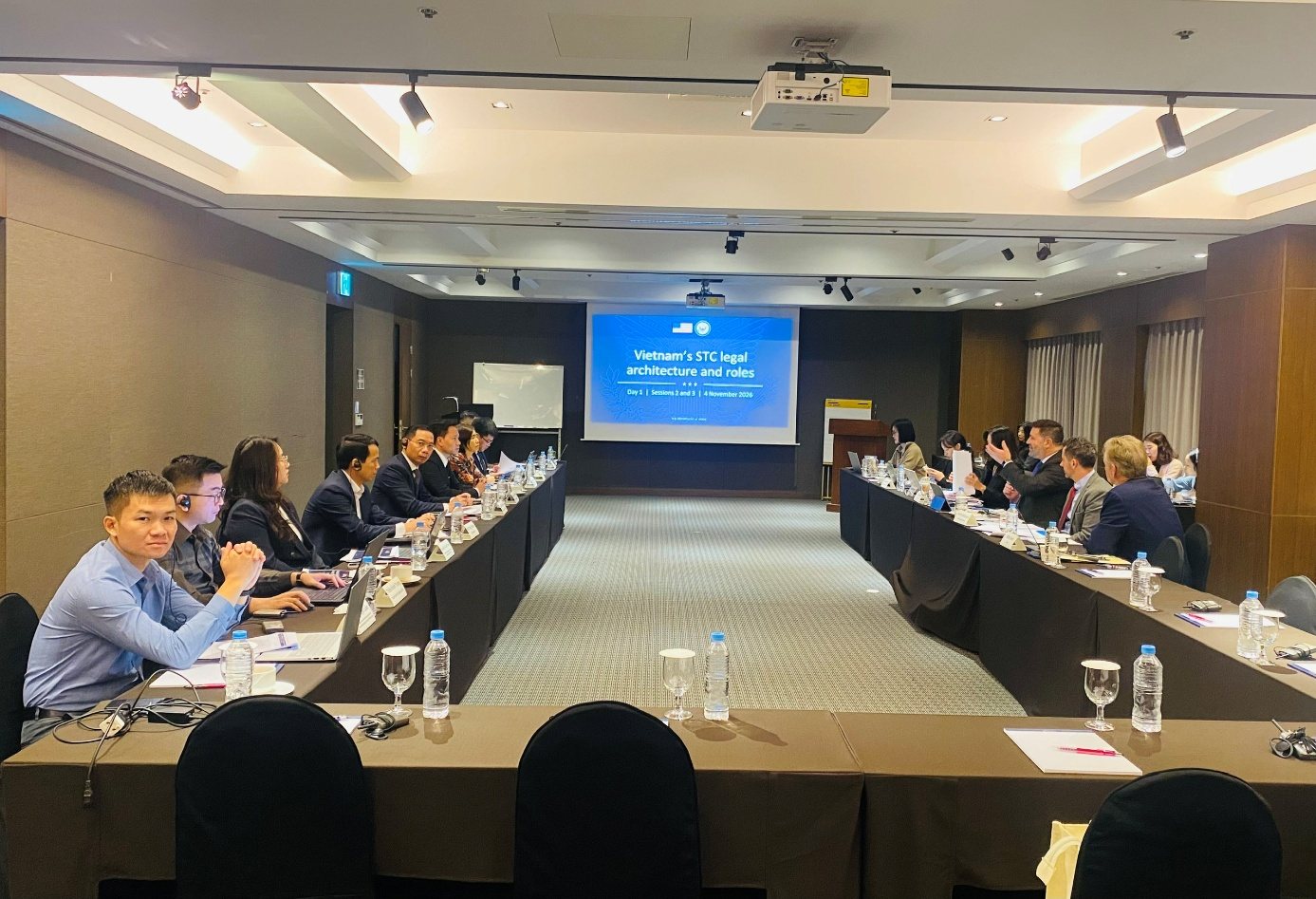
Vietnamese delegation attending the workshop.
The Vietnamese delegation comprised representatives from the Standing Office 81 under the Ministry of National Defence, the Ministry of Public Security, the Ministry of Justice, the Ministry of Finance, and the Ministry of Industry and Trade. The workshop was held under the cooperation programme between Standing Office 81 and the Export Control and Border Security (EXBS) Program of the U.S. Department of State, with technical contributions from international experts, including those from the Korea Strategic Trade Institute (KOSTI).
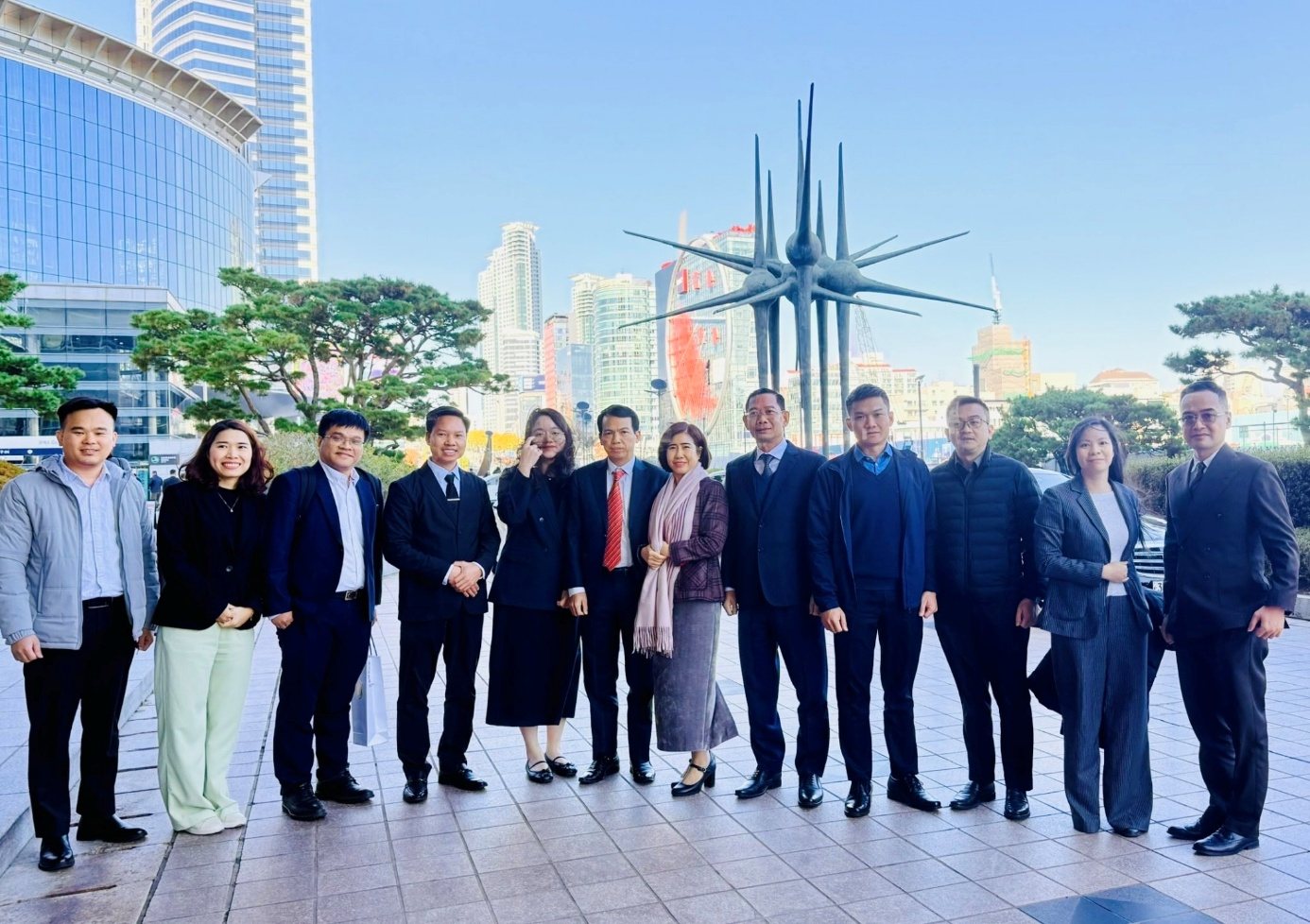
Delegates' group photo.
Focus on Reviewing the Legal Framework and Interagency Coordination Mechanisms
On the first day of the workshop, participants focused on discussing and reviewing Vietnam’s legal framework for strategic trade controls, clarifying the relationship between the Law on counter-proliferation of weapons of mass destruction, the draft Decree detailing certain provisions and measures for the implementation of the Law on counter-proliferation of weapons of mass destruction, Decree No. 259/2025/ND-CP, and other relevant sectoral legal instruments.
Discussions focused on delineating the authority and responsibilities of state management agencies in risk assessment, licensing, inspection, monitoring, and handling cases involving goods that may pose proliferation risks. Participants also examined mechanisms for coordination, information exchange, and case processing in matters falling within the jurisdiction of multiple agencies, with a view to avoiding overlapping mandates, duplicated procedures, and administrative inefficiencies.
A key topic was the application of risk assessment methodologies in licensing decisions, particularly in cases requiring verification of the end-user, end-use, intermediaries, transportation routes, and warning indicators of potential misuse of goods for illicit purposes. Through hypothetical scenarios, participants explored approaches to handling applications with incomplete information, cases involving concerns over end-use, and situations in which multiple sectoral control mechanisms intersect.
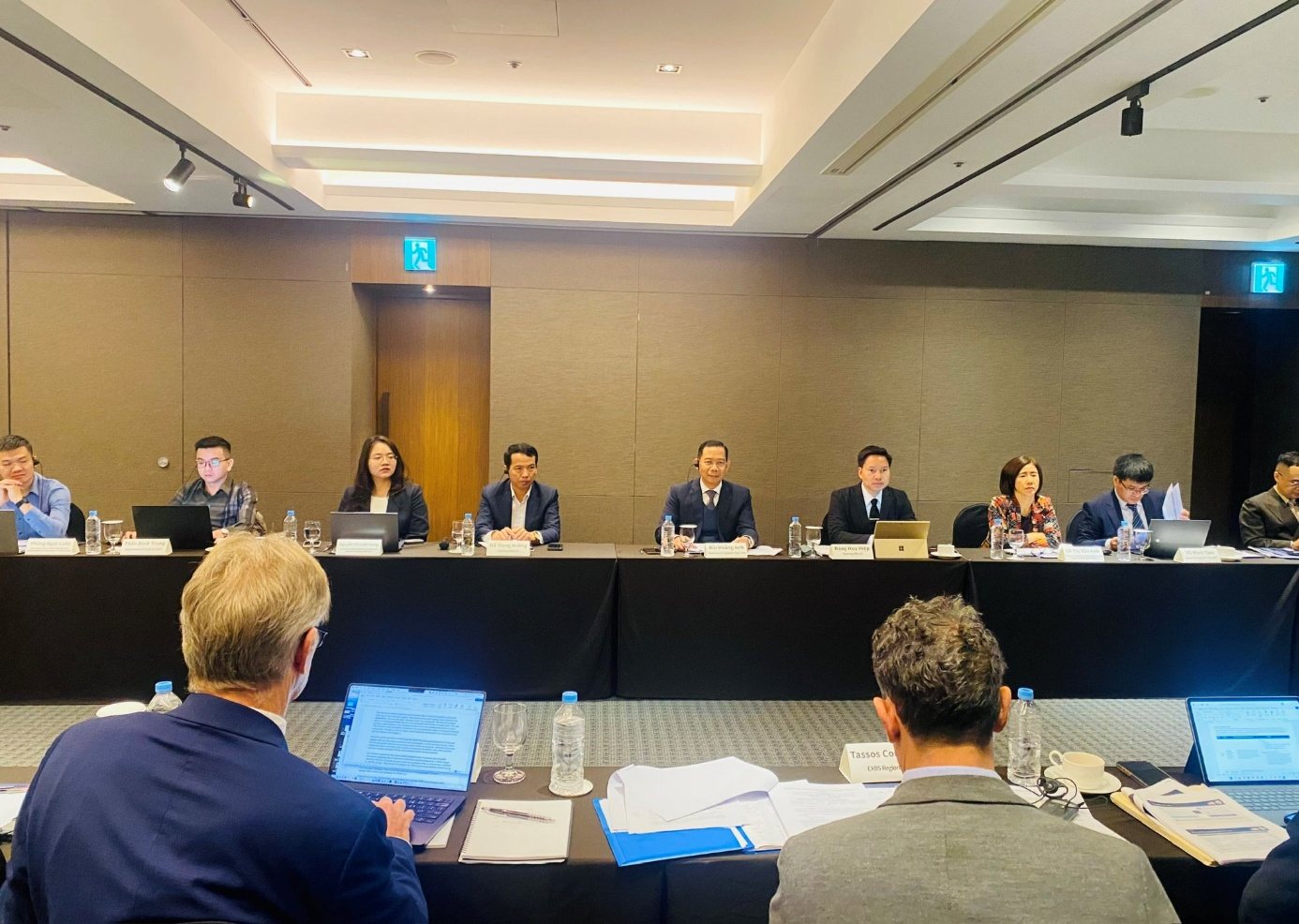
Vietnamese delegation engaging in discussions and exchanging views during the workshop.
Exchange of Experience in Dual-Use Goods Controls and Technology Transfers
On the second day, the workshop focused on issues related to the development and updating of control lists, controls on items not listed, and intangible technology transfers.
Participants discussed methodologies for cross-referencing lists of goods, materials, equipment, and technologies that may be associated with weapons of mass destruction against strategic trade control lists and sector-specific regulatory lists. Particular emphasis was placed on defining technical criteria, commodity codes, control scope, and list-update mechanisms to ensure consistency, accuracy, and alignment with international standards.
The catch-all control mechanism was one of the workshop’s key topics. This mechanism is an important tool for controlling items that are not included on control lists but are reasonably suspected of being intended for use in the development, production, or proliferation of weapons of mass destruction. The workshop also addressed challenges in controlling intangible technology transfers through electronic means, training activities, technical consultancy, data transmission, design drawings, and other forms of technology transfer.
Korean experts shared their experience in raising awareness among businesses, providing guidance on compliance obligations, developing internal compliance programmes, and identifying and mitigating risks associated with exports and technology transfers. These experiences provided valuable reference points for Vietnam’s ongoing efforts to review and strengthen its strategic trade control framework.
Enhancing Coordination Towards a Unified Control Framework
On the final day, the workshop was held at KOSTI headquarters, where participants attended a presentation by KOSTI experts on the catch-all control mechanism and Korea’s experience in implementing strategic trade controls. They also examined case studies involving customs monitoring, the transfer of case files, and the handling of situations requiring urgent action, particularly those involving transit and transshipment goods suspected of being associated with questionable end-use purposes.
On this basis, participants discussed the responsibilities of individual agencies, coordination procedures, information-sharing mechanisms, processing timelines, and the authority to decide on the application of control measures in accordance with the law.
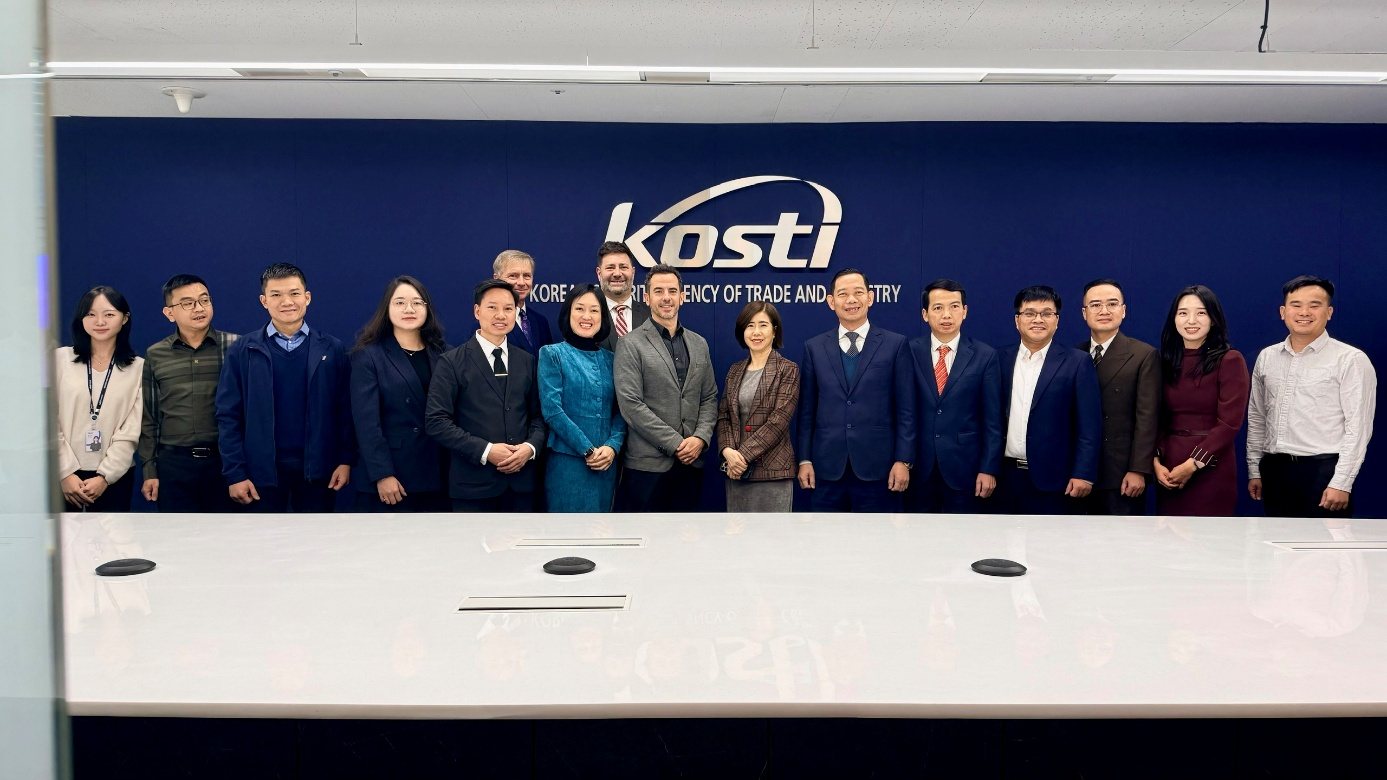 Workshop participants pose for a group photo during their visit and working session at KOSTI.
The participation of Vietnam’s interagency delegation in the workshop was a meaningful and practical initiative, contributing to enhanced international exchange of experience, strengthened professional capacity, and closer coordination among state management agencies in strategic trade controls and counter-proliferation of weapons of mass destruction.
In particular, the issues examined and discussed during the workshop provided an important reference for the drafting and finalisation of the Decree detailing certain provisions and measures for the implementation of the Law on counter-proliferation of weapons of mass destruction. These discussions will help ensure consistency and coherence across the legal framework, clearly delineate management responsibilities, strengthen interagency coordination, and facilitate legitimate trade and technology transfers. In doing so, they will contribute to improving the effectiveness of efforts to prevent, detect, and counter the risks of weapons of mass destruction proliferation, fulfilling Vietnam’s international obligations and commitments, and supporting the cause of national construction and defence in the new era./.
Nguyễn Văn Vương - TT81