Bioterrorism
Unofficial translation from the Vietnamese original.
“Biological weapons” – a phrase that can send a chill down our spines. Biological weapons involve the use of toxins or infectious agents of biological origin, which may include bacteria, viruses, fungi or toxins. These agents are used to incapacitate or kill people, animals or plants as part of a war effort.
The history of biological warfare is a long one, intertwined with the history of humankind. In 1346, Tartar (Mongol) warriors besieged the city of Kaffa. During the siege, many Tartars died of plague, and their infected corpses were catapulted over the city walls. Some researchers believe this may have caused the spread of the “Black Death” plague into Europe.
In 1763, the British Army attempted to use smallpox as a weapon against Native Americans during the Siege of Fort Pitt. The British used blankets from a smallpox hospital to spread the disease to the local population.
During the Second World War, the belligerents took a great interest in the possibility of using biological weapons. The Allies built facilities capable of mass-producing anthrax spores, brucellosis and botulinum toxin. Fortunately, the war ended before they were used. The Japanese were the most extensive users of biological weapons: they dropped ceramic bombs filled with plague-carrying fleas on Ningbo, China, and poisoned more than 1,000 wells in Chinese villages to study outbreaks of cholera and typhus. Some of the epidemics they caused persisted for years and went on to kill more than 30,000 people as late as 1947, long after the Japanese surrender. These are typical examples of the potential harm – simple yet unpredictable – that biological warfare can cause.
Recognising the dangers of biological weapons, states adopted the Protocol for the Prohibition of the Use in War of Asphyxiating, Poisonous or Other Gases, and of Bacteriological Methods of Warfare (the Geneva Protocol) in 1925, followed by the Convention on the Prohibition of the Development, Production and Stockpiling of Bacteriological (Biological) and Toxin Weapons and on their Destruction (BWC) in 1972.
Today, although the risk of biological weapons being used in warfare is declining, an issue of great concern to the international community is bioterrorism. The U.S. Centers for Disease Control and Prevention (CDC) defines bioterrorism as “the deliberate release of viruses, bacteria, or other germs that can sicken or kill people, livestock, or crops”. This can be achieved in a number of ways, such as through aerosol sprays, explosive devices, food or drinking water, or absorption through or injection into the skin. Because some agents are less potent than other pathogens, the type of agent used will determine how it can be deployed.
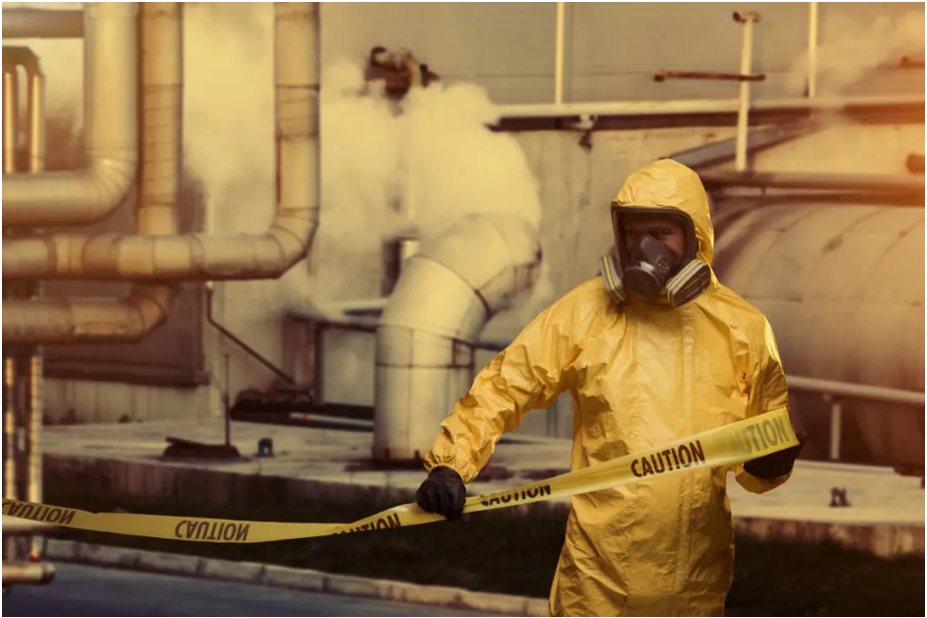 Bioterrorism – a modern concern
Biological weapons hold great appeal for terrorists because they can cause great harm while being relatively cheap to produce compared with missiles or other high-tech devices. In addition, biological weapons can be “detonated” and take a long time to disperse and take effect, giving perpetrators ample time to escape undetected. Biological weapons can be difficult to control or predict in a battlefield situation, as there is a significant risk that the troops of both sides will be affected. However, for a terrorist acting alone who is interested in attacking a distant target, bioterrorism poses less risk to the perpetrator.
Many different agents are considered potential agents for a bioterrorist attack, for example plague, tularaemia, brucellosis, cholera, Q fever, smallpox, arboviral encephalitis, viral haemorrhagic fevers and staphylococcal enterotoxin B. Experts believe that the anthrax bacterium (Bacillus anthracis) is the agent most likely to be used in a bioterrorist attack. It is widely found in nature, easily produced in the laboratory and persists in the environment for a long time. Although it cannot spread from person to person, it can be highly targeted. Moreover, it is very versatile and can be released in the form of a powder, spray, water or food. Anthrax has been used for terrorism before: in 2001, anthrax spores were sent through the U.S. postal system. In total, 22 people contracted anthrax and five of them died, but the U.S. authorities did not find the terrorist.
Advances in modern science and technology in the biological field have brought new concerns. Some experts are worried about recent advances in gene-editing technology. When used for their intended purpose, the latest tools can work wonders. However, as with most cutting-edge technologies, there is always the potential for misuse.
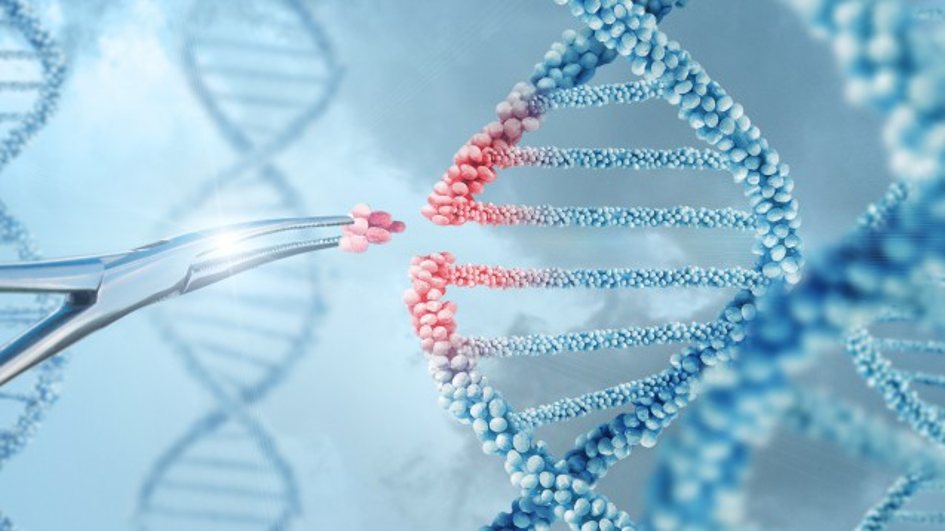 Gene-editing technology
A gene-editing technology called CRISPR has raised alarm among experts in the field of security and defence. This technology allows researchers to edit genomes, making it easy to modify DNA sequences in order to change gene function. In the right hands, this tool has the potential to repair genetic defects and treat diseases. In the wrong hands, however, it has the potential to cause harm. CRISPR technology is becoming cheaper to operate and therefore more accessible to individuals inclined towards bioterrorism. With future generations of CRISPR-like technologies and advanced knowledge of genetics, there would theoretically be no limit to the suffering that could be caused. For example, it could be possible to create drug-resistant strains of disease or pesticide-resistant insects capable of wiping out a country’s staple crops.
Another breakthrough is 3D printing technology, which has made great strides into the biological field. Often referred to as “bioprinters”, the use of 3D printers and biomaterials has led to a number of important scientific breakthroughs. Although 3D printers currently cannot print live bacteria or viruses simply using DNA available in digital format, advances in synthetic biology could enable bioprinters to create viruses or bacteria easily. As the cost of synthetic biology and 3D printing has fallen significantly, scientists can load nucleotides into a “bioprinter” to create a genome, or design a gene sequence on a computer and send the code to another location (anywhere with internet access). Like gene-editing technology, this technology is open to misuse: in the hands of genuine scientists it can produce life-saving medicines or vaccines, but it could also enable terrorists to carry out bioterrorism, since information on the DNA of pathogens is already available from open sources.
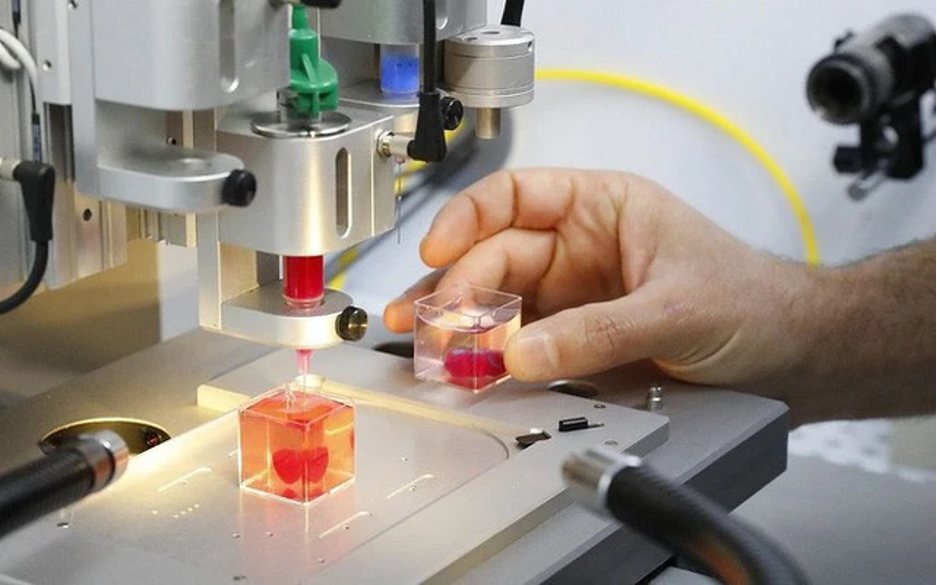 A bioprinter printing a heart from human cells
Biotechnology developed at an astonishing pace in the first twenty years of the twenty-first century. Emerging biotechnology tools have become cheaper and more accessible than ever before, and less expertise is needed to use them effectively. Amateur biologists can now achieve feats that, until recently, even leading experts in top laboratories could not. This development of biotechnology will bring an astonishing range of changes to our societies, economies and security. Emerging biotechnology will produce new medicines and medical techniques, a better understanding of how pathogens work and spread (and therefore of how to combat them), healthier populations, new creative possibilities that could change everyday life, and greater engagement with the biological sciences. However, greater access to powerful yet inexpensive biotechnology tools and the reduced need for expertise to operate them also make it easier for malicious actors to use the technology for harmful purposes. Terrorist groups could use synthetic biology to build biological weapons, use data to create dangerous pathogens, or modify readily accessible pathogens to make them more virulent.
Recognising the role of biotechnology, on 30 January 2023 the Politburo issued Resolution No. 36-NQ/TW on the development and application of biotechnology for the sustainable development of the country in the new situation, in order to create conditions for the development of biotechnology. The role of biotechnology in the socio-economic life, security and defence of our country cannot be denied, but it also poses many challenges, especially for counter-terrorism and countering the proliferation of weapons of mass destruction.
In order to perform well its role as the support body of the Standing Office of the National Focal Point for countering the proliferation of weapons of mass destruction (Standing Office 81), Centre 81 is focusing on the following:
First, stepping up advice on strengthening the management of biological agents: the Ministry of Health, the Ministry of Public Security, the Ministry of National Defence, the Ministry of Agriculture and Rural Development and other ministries, sectors and localities need to cooperate closely in managing biological agents that cause disease not only in humans but also in animals and plants, so as to deny terrorists the opportunity to acquire, develop and use such agents for bioterrorism or the proliferation of biological weapons; and to manage effectively equipment related to the culture, production and deployment of biological agents, especially dual-use equipment.
Second, continuing to advance advice on improving the legal framework: although Vietnam has incorporated many provisions of the 1925 Geneva Protocol and the BWC into Vietnamese law, Vietnam’s legal system in the biological field still has a number of shortcomings and limitations and lacks coherence. The Ministry of Justice, the Ministry of Science and Technology, the Ministry of Health, the Ministry of Agriculture and Rural Development and other relevant ministries and sectors need to review existing legal normative documents and develop new legal normative documents, procedures and codes of professional conduct to regulate the conduct of organisations and individuals engaged in the research, development and application of biotechnology for peaceful purposes, socio-economic development, security and defence; and to close legal loopholes in order to prevent and stop the exploitation of biotechnology research, development and application for terrorist or WMD proliferation plots, intentions and activities. Within this, Centre 81 is focusing on advising the leadership of Standing Office 81 on improving the legal framework for countering the proliferation of biological weapons and implementing the international treaties to which Vietnam is a party.
Third, stepping up awareness-raising: using a variety of forms and methods to help officers, soldiers and the public understand the harm caused by biological weapons and bioterrorism, thereby securing their consensus, support and cooperation in implementing measures to counter bioterrorism and the proliferation of biological weapons.
Fourth, carrying out international cooperation effectively in countering the proliferation of biological weapons: strengthening coordination with international organisations and countries around the world in countering the proliferation of biological weapons, especially in improving the legal framework; and learning from and sharing information and experience in assessing and addressing the risks of misuse of biotechnology research, development and application, so as to advise on measures for timely and lawful prevention, detection, interdiction and handling.
Senior Lieutenant Nguyen Van Vuong, MSc, Centre 81/Chemical Corps