Workshop on countering threats from unmanned aircraft systems (UAS)
Unofficial translation from the Vietnamese original.
The workshop on countering UAS threats was organised by the Export Control and Related Border Security Programme of the US Department of State (EXBS Programme) in cooperation with countries in the Southeast Asian region. This workshop was the first in a series of three workshops on countering UAS threats (the second is scheduled to be held in the Philippines in June 2026 and the third in Vietnam in July 2026). The Vietnamese delegation comprised participants from the Chemical Corps, Ministry of National Defence; the Vietnam Agency for Radiation and Nuclear Safety, Ministry of Science and Technology; the Vietnam Chemicals Agency, Ministry of Industry and Trade; and the Department of Operational Technology and the Guard High Command, Ministry of Public Security.
The workshop was attended by more than 50 participants and experts representing Vietnam, Malaysia, the Philippines, Indonesia and India, as well as experts from the Bureau of Arms Control and Nonproliferation of the US Department of State and the Pacific Northwest National Laboratory of the US Department of Energy. The workshop aimed to enhance understanding of the use and application of UAS in various fields; capabilities to respond to UAS threats; and the application of UAS for the purpose of countering chemical, biological, radiological and nuclear (CBRN) agents.
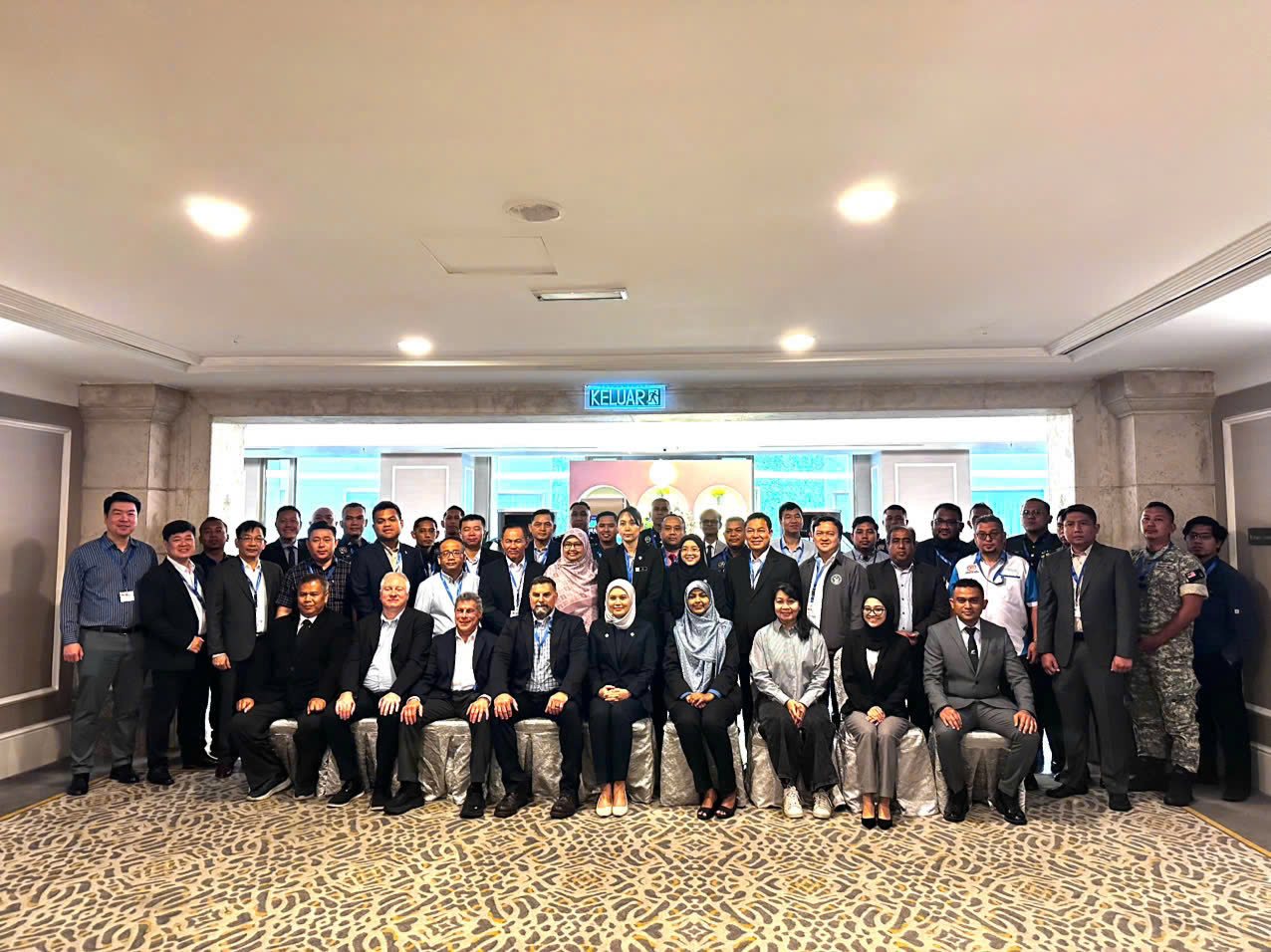
Figure 1. Workshop participants
At the workshop, US experts shared information on: UAS, emerging trends, the development and use of UAS and their impact on national security; trends in the use and tactics of UAS in conflicts such as Russia - Ukraine and the Middle East; the risks posed by unmanned aerial vehicles to countries in Southeast Asia, particularly unlicensed unmanned aerial vehicles; measures to prevent and respond to illicit UAS from the stages of procurement, assembly and production; and identification of UAS proliferation pathways, threat indicators and planning of response options;
The experts also presented trends in the development of weapons of mass destruction; CBRN agents and related precursors; the risk of UAS being used as delivery vehicles for CBRN agents and explosives (CBRNE) in terrorist attacks, thereby improving understanding of and capabilities for preventing attacks using materials related to CBRNE agents; and, alongside these risks, the applications of UAS in reconnaissance and detection, early warning, investigation and sampling of CBRN agents;
During the workshop, participants discussed measures to counter the use of UAS for malicious purposes; measures and technologies to protect critical targets against UAS attacks; and measures for investigation and data collection following a UAS attack. They also conducted an exercise on responding to and remedying the consequences of UAS attacks, playing the roles of officials of competent authorities.
Participation in the workshop gave specialist officials from within and outside the military an opportunity to acquire international knowledge and experience in responding to threats from unmanned aerial vehicles and the risk of their being combined with CBRNE agents, enabling them to advise leaders and commanders at all levels on responding to unmanned aerial vehicles and to terrorist attacks using CBRNE agents delivered by UAS./.
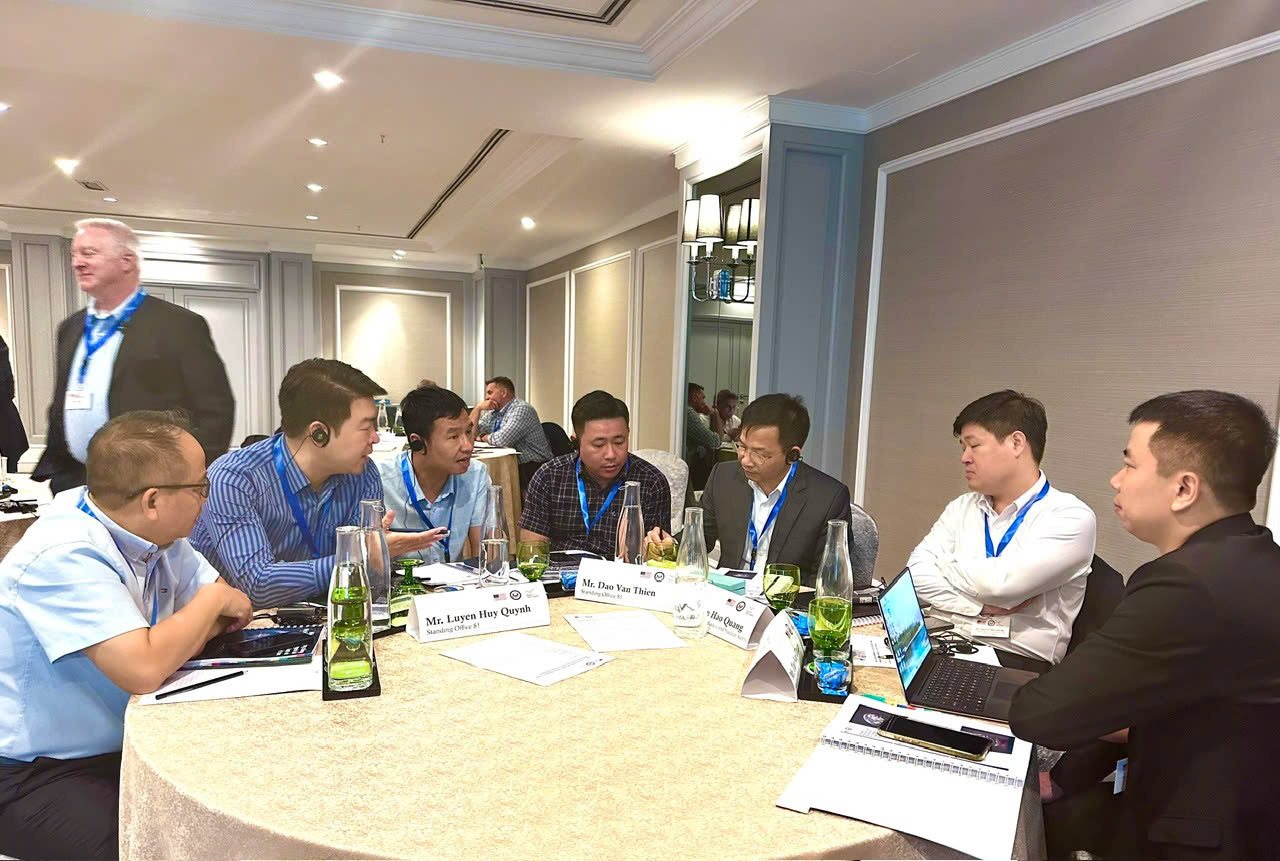
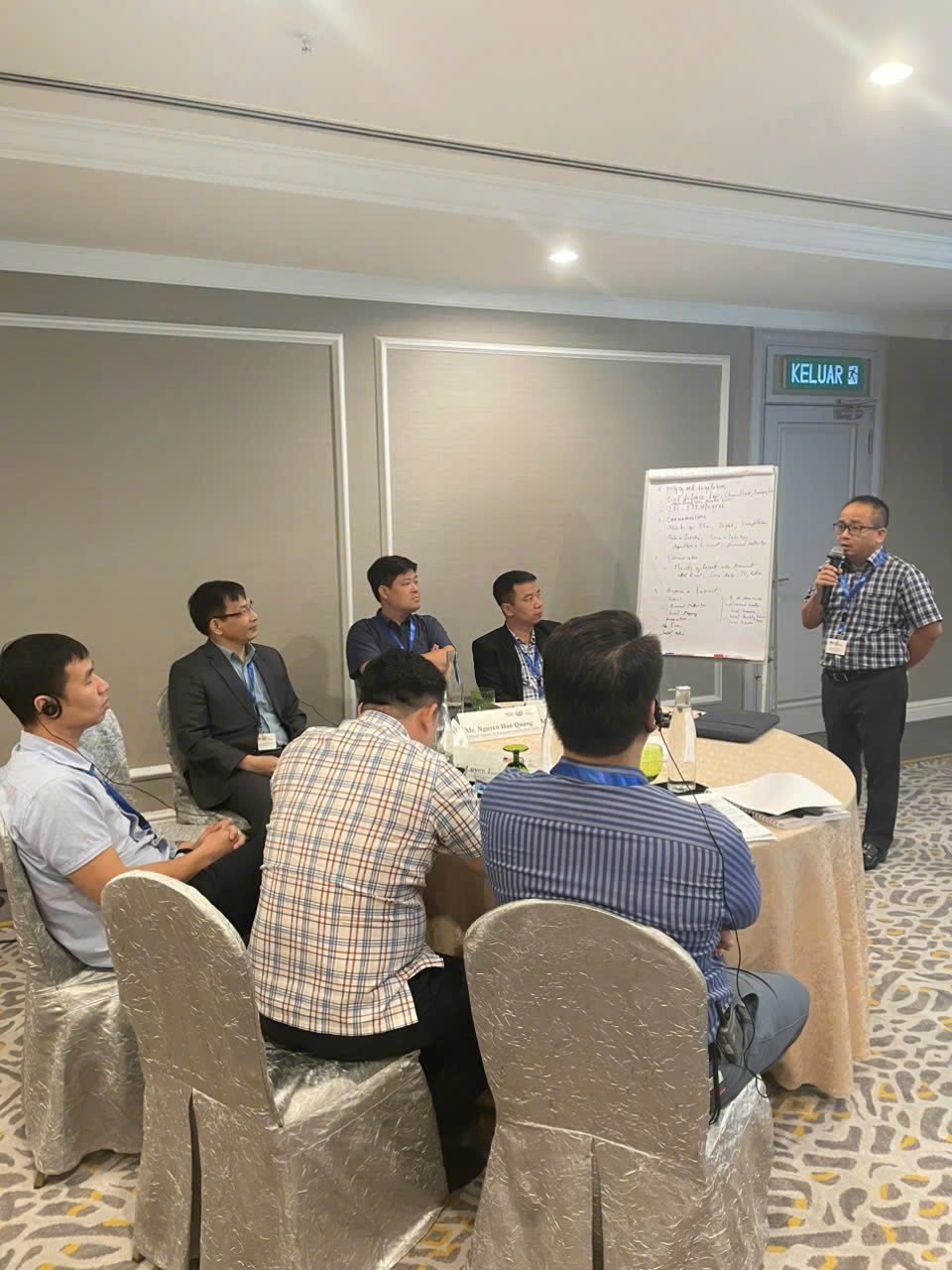
Figures 2 and 3. The Vietnamese delegation at the workshop
Tao Van Thuan - Centre 81