Open registries - a vulnerability exploited to evade targeted financial sanctions
Unofficial translation from the Vietnamese original.
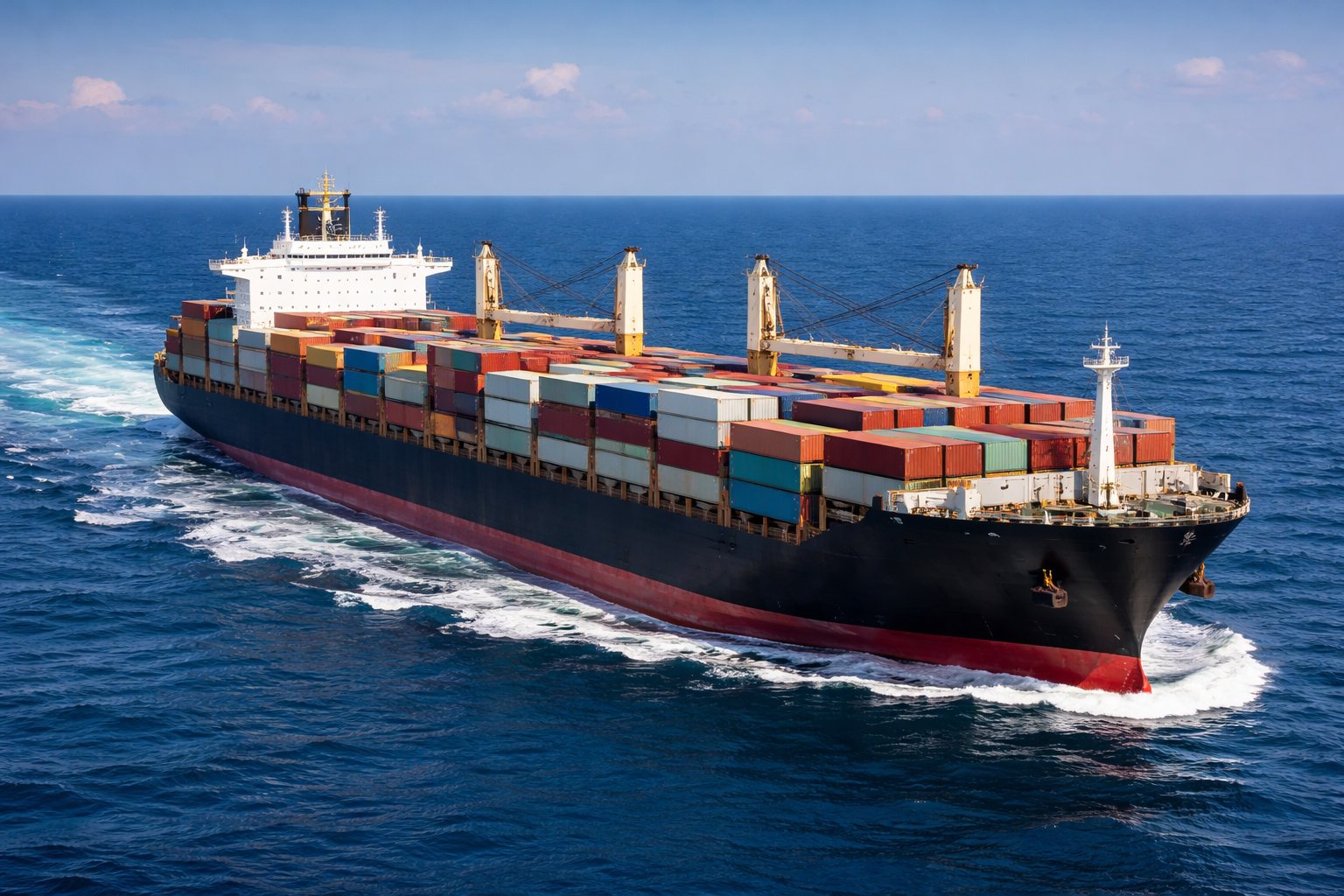
Vessels engaged in evading maritime sanctions (including targeted financial sanctions) are predominantly registered with open registries: registries that impose few or no nationality requirements on vessel owners and operators. The root of this vulnerability lies in the profit-driven nature of the open registry system, in which registries increase their market competitiveness in the international ship registration industry by neglecting or relaxing regulation and oversight.
All commercial vessels operating at sea must fly a national flag, which indicates the legal jurisdiction under which the vessel operates in international waters. Accordingly, flags are granted on the basis of the nationality of the vessel's owners and operators. However, since the mid-twentieth century, vessels have increasingly operated under the flags of “open registries”, which impose few or no nationality requirements. Today, around 30 countries operate open registries, mainly as a source of revenue, competing with one another to attract international clients by reducing regulatory burdens, lowering registration costs and issuing certificates quickly. These services make open registries an essential factor in fast and cost-effective maritime transport, with more than 70% of global tonnage operating under these flags. However, the lax legal framework of open registries can have implications for environmental safety, vessel safety, crew safety, illegal, unreported and unregulated fishing, and so on.
Despite such scrutiny, one consequence of the open registry system is the problem of sanctions evasion. Sanctions are economic tools used by various national and international authorities to prohibit certain entities (from individuals to businesses to entire countries) from trading in certain prohibited goods. Individuals and entities seeking to evade these sanctions through maritime trade must employ a range of deceptive tactics to avoid detection of sanctions violations by the authorities, for example: concealing or mislabelling the contents of cargo, falsifying bills of lading, concealing port calls to sanctioned areas, or exchanging cargo at sea (ship-to-ship transfers) to avoid customs inspection.
Two factors make them vulnerable to exploitation for evading maritime sanctions: (1) inadequate measures to detect sanctions evasion by the vessels on their registries; (2) being specifically targeted by sanctions evaders for their flagging services.
Effective enforcement of maritime sanctions requires the cooperation of many national and local organisations, including importers and exporters, trade associations, customs and port authorities, and financial service providers. For example, customs authorities inspect cargo for sanctioned goods, importing countries ensure that goods do not originate from sanctioned sources, and financial service providers refuse to provide insurance or foreign exchange services to sanctioned individuals and entities.
Ultimately, the root cause of the vulnerability of open registries to flagging sanctions-evading vessels is not a feature specific to particular countries or open registry administrators, but the open registry system itself: competition between countries for international clients drives a “race to the bottom”, in which registries neglect regulation and oversight in order to increase their competitiveness in the highly competitive international registration industry.
Sanctions are a tool for countering many international ills, including the proliferation of nuclear weapons, human rights abuses and military aggression. Sanctions are effective as an instrument of coercion, but they are constantly threatened by those who seek to evade them, and nowhere is this more prevalent than in maritime trade, which has seen numerous fraudulent sanctions evasion practices, including falsified bills of lading, concealment of information and so on.
Vu Quang Dai - Centre 81