Workshop on responding to disasters involving chemical, biological, radiological and nuclear (CBRN) agents in the Philippines
Unofficial translation from the Vietnamese original.
From 5 to 7 August 2025, a workshop on CBRN disaster response was held in Manila, the Philippines, organised by the Export Control and Related Border Security Programme of the US Department of State (EXBS Programme) in cooperation with the Anti-Terrorism Council of the Philippines. The workshop aimed to strengthen the capacity of countries in Southeast Asia to respond to CBRN disasters. It was the second in a series of three workshops on responding to CBRN-related disasters; the first was held in Vietnam from 9 to 11 July 2025.
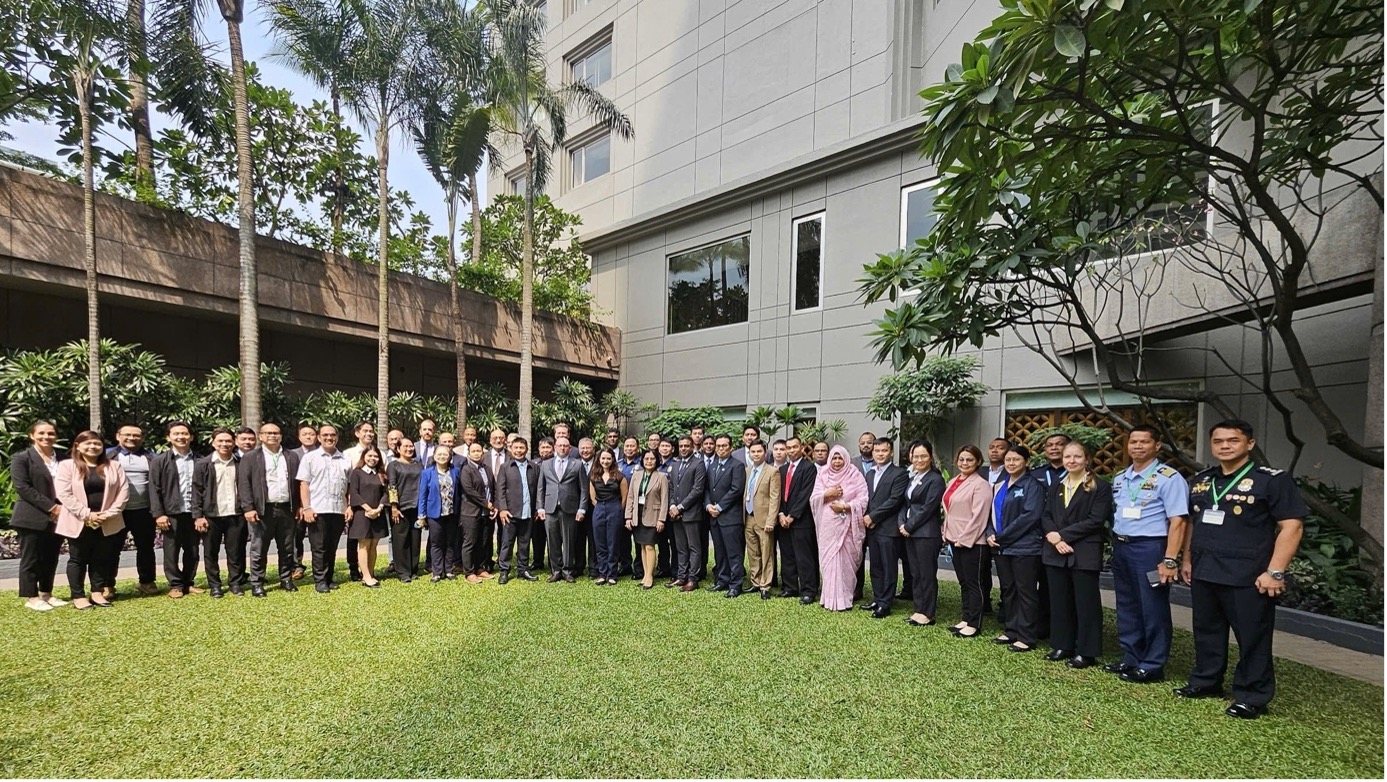
Workshop participants pose for a group photo
The workshop brought together 52 delegates and experts representing Vietnam, Malaysia, the Philippines, Indonesia and Bangladesh, as well as CBRN disaster response experts from the United States.
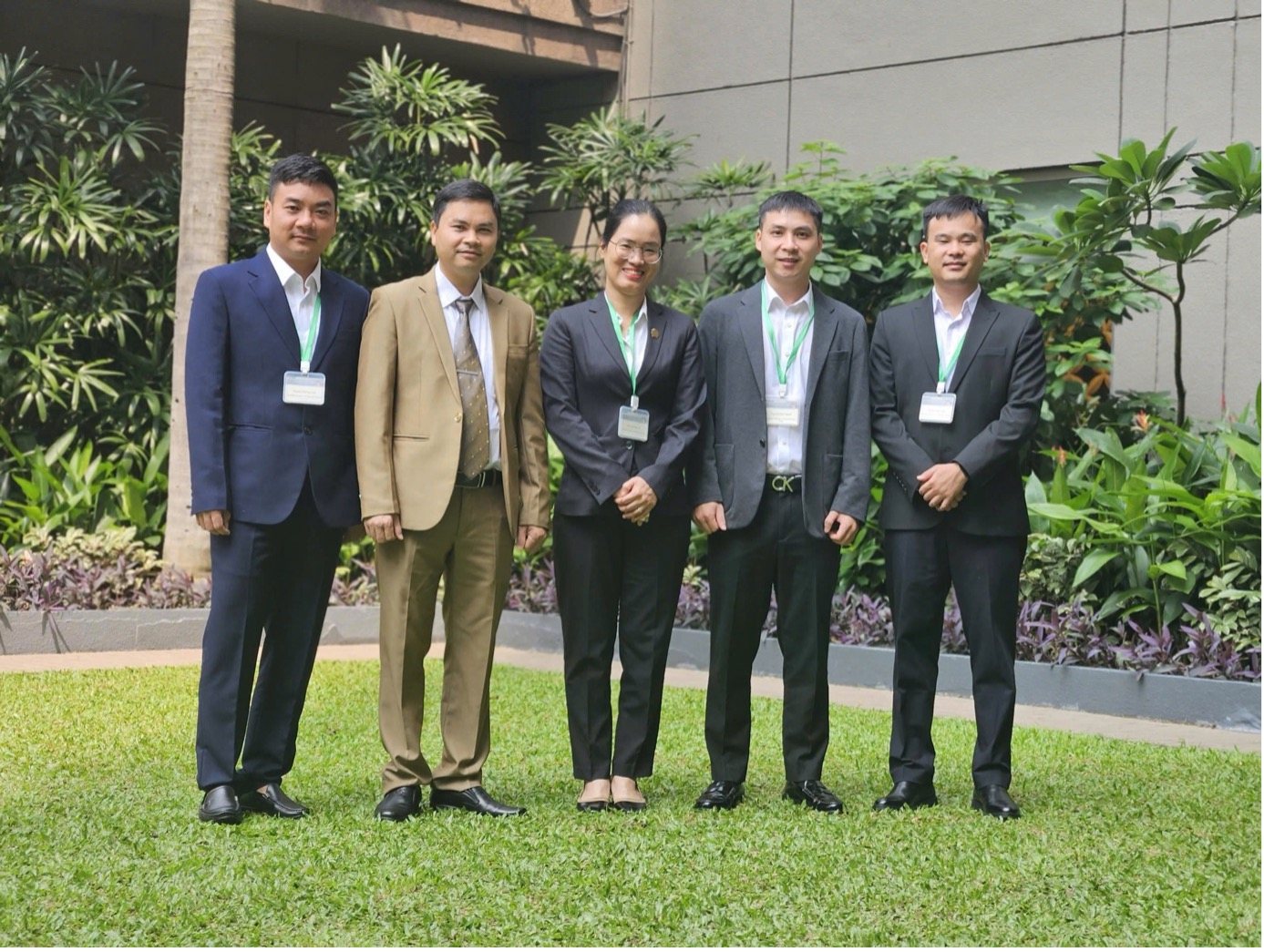
The content of the workshop was framed and guided by three scenario-based exercises on responding to a nuclear detonation: (i) the nuclear detonation; (ii) cordoning off zones and conducting the response; and (iii) international assistance. The exercises were designed as successive phases of the response to a nuclear disaster, following its timeline. During the discussions, delegates were divided into groups according to different roles (such as emergency management, law enforcement and security, public health, and leadership, executive and diplomatic functions). By identifying the immediate tasks and the resources required to carry them out in each group’s role during the response, delegates gained an overall picture of nuclear disaster response operations. Through the exercises, delegates exchanged and shared experience in responding to nuclear detonation scenarios in particular and CBRN-related disasters in general.
Delegates observed that Southeast Asia is a region at high risk of CBRN disasters owing to a range of factors (economic development needs, non-traditional security factors, etc.). A lack of practical experience, human resources and specialised technical equipment is a major weakness in developing national procedures for responding to a nuclear detonation in the countries of the region, and a standing task is to raise public awareness of the risk of nuclear terrorism and to disseminate self-protection guidance to the public in the event of a nuclear detonation. Delegates and experts also agreed that requesting and deploying international assistance from international organisations and from developed countries with the necessary capacity and experience is essential, particularly given that the countries of the region all have limited resources and experience in responding to a nuclear detonation.
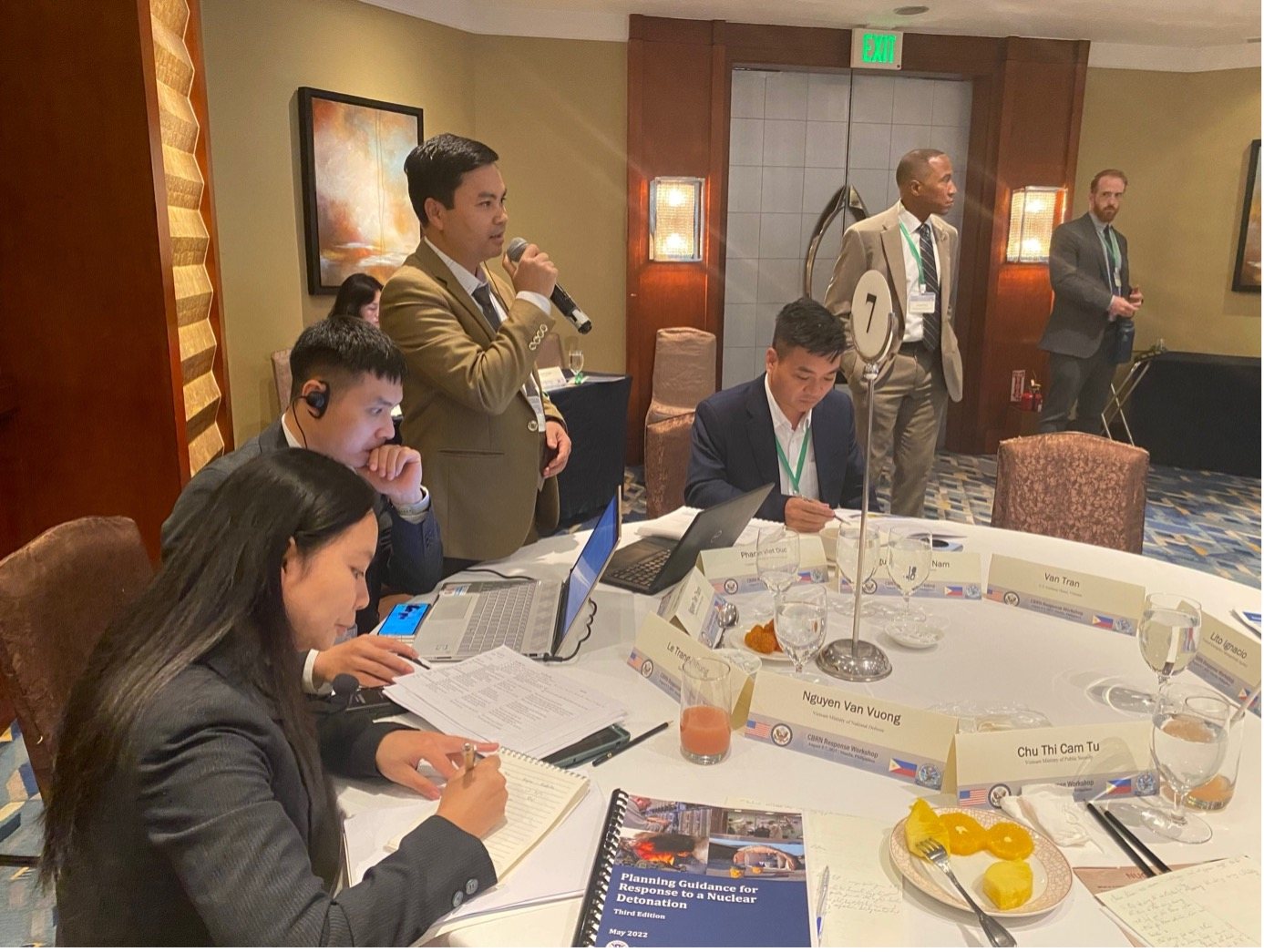
A representative of the Vietnamese delegation addresses the workshop
Attending the workshop gave our officers the opportunity to learn and exchange experience on CBRN disaster response, thereby enhancing their capacity for advisory work, research and teaching on CBRN disaster response in general and nuclear detonation scenarios in particular. This is especially important as Vietnam is implementing its nuclear power plant project. It also provides source material for the Chemical Corps – Standing Office 81 to study and to advise the leadership of the Ministry of National Defence on related matters in a timely manner.
Nguyen Van Vuong (Centre 81)